
Orthopedic Trauma Care at OrthoTexas
OrthoTexas provides comprehensive, high-level orthopedic trauma care for patients with fractures, dislocations, and complex musculoskeletal injuries across North Texas. With access to fellowship-trained trauma surgeons and a broad network of clinics offering rapid evaluation, on-site imaging, and coordinated follow-up care, patients receive immediate and expert attention when injuries occur. Our team specializes in treating everything from simple breaks to high-energy trauma and multi-site injuries, ensuring safe, timely, and effective treatment that restores stability, function, and mobility. As one of the region’s most trusted orthopedic providers, OrthoTexas delivers the experience, resources, and advanced surgical expertise needed for optimal trauma recovery.

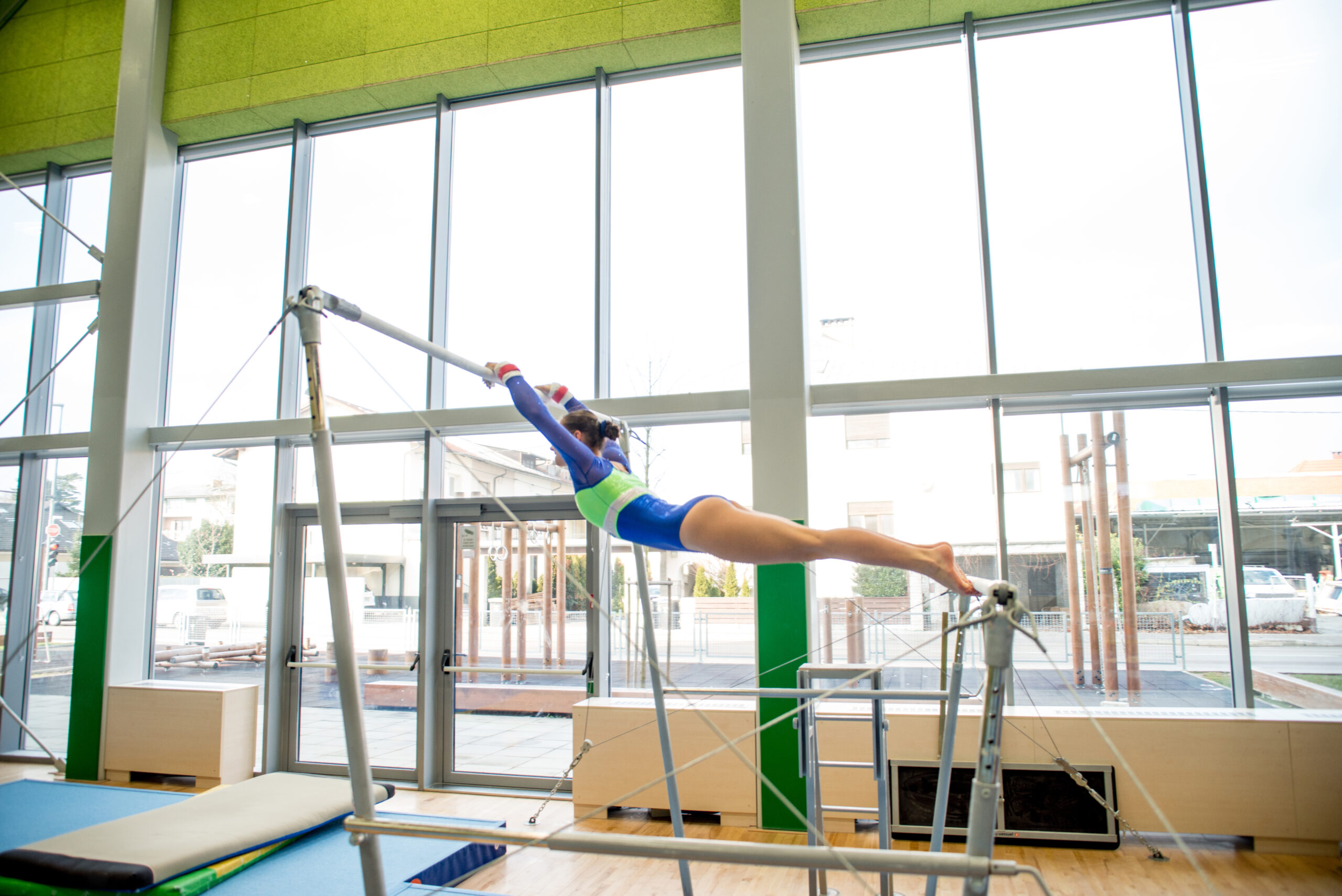
Comprehensive Treatment for Fractures and Traumatic Injuries
OrthoTexas provides complete orthopedic trauma care for patients with injuries ranging from simple broken bones to complex, multi-site fractures. Our specialists evaluate and treat fractures caused by accidents, falls, sports injuries, workplace incidents, and high-impact trauma. With advanced imaging, rapid assessment, and access to fellowship-trained trauma surgeons, OrthoTexas delivers timely, expert care for both straightforward and complicated injuries. Whether a patient requires casting, bracing, minimally invasive fixation, or complex surgical reconstruction, our team is equipped to restore alignment, stability, and function with a focus on long-term recovery and mobility.
Traumatic Injuries We Treat
OrthoTexas provides comprehensive care for a wide range of traumatic orthopedic injuries, from routine fractures to complex, high-impact trauma. Our specialists evaluate and treat injuries affecting bones, joints, ligaments, tendons, and growth plates, ensuring patients receive accurate diagnosis, timely treatment, and coordinated follow-up care. Each condition below represents a key area of orthopedic trauma.
Simple & Complex Fractures
Fractures of the arm, leg, wrist, ankle, hip, and shoulder may involve clean breaks or multiple fragments. Treatment ranges from casting and bracing to advanced surgical repair, depending on severity and alignment needs.
Open Fractures (Compound Fractures)
These injuries occur when a broken bone penetrates the skin, increasing the risk of infection and requiring immediate surgical attention. Urgent care is essential to clean the wound, stabilize the bone, and protect long-term function.
Dislocations (Shoulder, Hip, Elbow, Knee, Ankle)
A dislocation forces a joint out of its normal position, often causing ligament stretching or tearing. Prompt reduction and stabilization help prevent instability, cartilage damage, or recurring dislocations.
Crush Injuries
Crush injuries involve significant pressure or compression to bones and soft tissues, potentially causing fractures, muscle damage, and nerve injury. These cases require urgent evaluation to prevent complications.
Non-Union and Malunion Fractures
A non-union occurs when a bone fails to heal, while a malunion occurs when it heals in the wrong position. Both conditions may cause pain, deformity, or loss of function and often require specialized surgical correction.
Growth Plate Injuries (Pediatric Trauma)
In children, fractures involving the growth plate (physis) can affect future bone development. Careful evaluation and treatment help prevent long-term deformities or limb-length differences.
Pelvic & Acetabular Fractures
These serious injuries involve the pelvic ring or hip socket and often result from high-energy trauma. They typically require advanced imaging, complex surgical repair, and specialized trauma expertise.
Tendon & Ligament Traumatic Injuries
Sudden impact or force can cause ruptures or tears in major tendons or ligaments, such as the Achilles tendon or knee ligaments. Early diagnosis and treatment help restore strength, stability, and mobility.
Stress Fractures
Sudden impact or force can cause ruptures or tears in major tendons or ligaments, such as the Achilles tendon or knee ligaments. Early diagnosis and treatment help restore strength, stability, and mobility.
Joint Subluxations
A partial dislocation, or subluxation, occurs when a joint slips out of position but not fully out of its socket. These injuries may signal ligament weakness or instability needing orthopedic evaluation.
Soft Tissue Traumatic Injuries
High-impact trauma can cause significant muscle, ligament, or tendon damage even without a fracture. Swelling, bruising, and loss of function often require orthopedic assessment and structured rehabilitation.
Traumatic Rotator Cuff Tears
Falls or sudden force can tear the shoulder’s rotator cuff tendons, leading to weakness, pain, and limited range of motion. Early treatment is important for recovery, especially in active adults.
Clavicle & Scapula Fractures
Trauma to the collarbone or shoulder blade can result in painful fractures requiring immobilization or, in some cases, surgical stabilization.
Orthopedic Trauma Treatments and Procedures
OrthoTexas provides complete trauma care for patients with injuries ranging from simple fractures to complex, high-energy trauma. Our fellowship-trained orthopedic surgeons use advanced imaging, modern surgical tools, and evidence-based techniques to deliver precise treatment at every stage, from emergency stabilization to complex reconstruction. This full-scope approach ensures that patients receive timely intervention, accurate realignment, and coordinated follow-up care to restore function and support long-term recovery.
Emergency Evaluation & Stabilization
Our trauma team quickly assesses the severity of an injury, stabilizes affected bones or joints, and manages pain to prevent further damage. Early stabilization is essential for safe imaging, transport, and definitive treatment.
Casting, Splinting & Bracing
For simple fractures, sprains, or stable injuries, immobilization with casts, splints, or braces provides effective early protection. These methods support proper healing and help reduce pain without requiring surgery.
Fracture Reduction (Closed & Open)
Closed reduction realigns broken bones without surgery, while open reduction is performed surgically for fractures that cannot be repositioned externally. Both methods focus on restoring normal anatomy for optimal healing.
Internal Fixation (Plates, Screws, Rods)
Internal fixation uses metal plates, screws, rods, or nails to stabilize fractures from within the bone. This approach offers strong, stable alignment and supports early movement during recovery.
External Fixation
External fixation involves applying a stabilizing frame outside the body to support severe fractures or injuries with significant soft tissue damage. It provides temporary or definitive stabilization depending on the injury.
Complex Reconstruction Surgery
Comminuted fractures, limb deformities, or multi-site trauma may require advanced reconstruction techniques. These surgeries restore alignment, stabilize multiple structures, and rebuild functional integrity.
Limb Length Discrepancy & Deformity Correction
When trauma leads to limb length differences or angular deformities, specialized procedures such as osteotomy or guided growth techniques help restore balance, alignment, and mobility.
Revision Trauma Surgery
If a fracture fails to heal (non-union), heals incorrectly (malunion), or if previous hardware fails, revision surgery may be necessary. Our specialists use advanced techniques to correct complications and promote proper healing.

Why Choose OrthoTexas for Orthopedic Trauma Care?
OrthoTexas provides a level of trauma expertise and accessibility that sets it apart as a trusted provider for both simple and complex musculoskeletal injuries. Our fellowship-trained trauma surgeons bring extensive experience treating high-volume fracture cases and complex traumatic conditions, ensuring patients receive skilled, evidence-based care from the moment they arrive. With on-site imaging, advanced surgical capabilities, and coordinated follow-up services — including rehabilitation and long-term monitoring — patients benefit from a seamless, integrated care experience. Multiple locations across North Texas allow for rapid evaluation and treatment, helping patients get the urgent attention they need without unnecessary delays. If hospital-based trauma coverage is provided in your region, OrthoTexas specialists may also participate in emergency call services to support timely, expert care for acute injuries.
On-Site Imaging for Rapid Trauma Assessment
Quick and accurate diagnosis is essential in trauma care, and OrthoTexas provides immediate access to advanced imaging to support fast, informed treatment decisions. Most clinic locations offer on-site X-ray for rapid assessment of fractures and dislocations, while MRI, CT – at select locations, and ultrasound provide deeper insight into soft tissue injuries, complex fractures, and joint damage. This integrated imaging capability allows our orthopedic trauma specialists to evaluate injuries promptly, determine the most effective treatment plan, and begin care without delay. By combining advanced imaging with expert clinical evaluation, OrthoTexas ensures patients receive timely, precise, and comprehensive trauma assessment across North Texas.

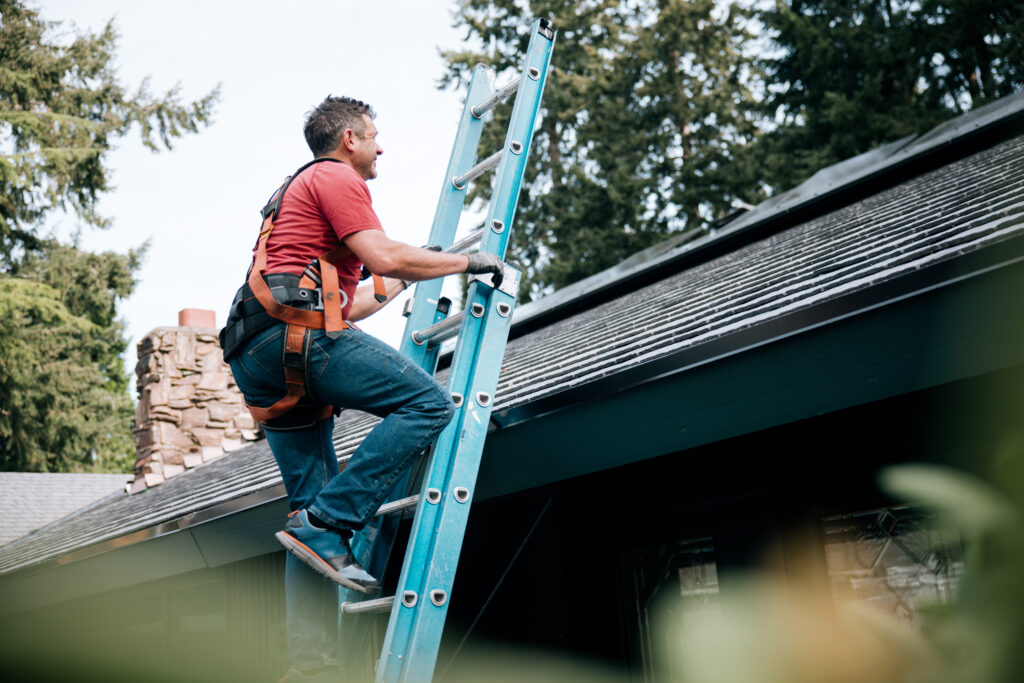
Rehabilitation After Traumatic Injuries
Recovery from fractures, dislocations, and complex trauma doesn’t end after initial treatment, rehabilitation plays a crucial role in restoring strength, mobility, and long-term function. At OrthoTexas, patients benefit from coordinated physical therapy programs tailored to their specific injury and stage of healing. Our therapists work closely with trauma surgeons to rebuild range of motion, improve stability, and prevent stiffness or long-term complications. Whether recovery involves non-surgical treatment or post-operative care, structured rehabilitation helps patients regain confidence, return to daily activities safely, and achieve the best possible outcome after a traumatic injury.
Meet Our Orthopedic Trauma Specialists
OrthoTexas is home to highly trained orthopedic trauma surgeons with extensive experience in treating both routine and complex musculoskeletal injuries. Many of our specialists have completed fellowship training in orthopedic trauma, equipping them with advanced surgical skills for managing severe fractures, multi-site injuries, deformity correction, and post-traumatic complications. Their expertise, combined with access to modern imaging and surgical technologies, allows them to deliver precise, effective care for patients across North Texas. Working within an integrated orthopedic system, our trauma specialists collaborate closely with rehabilitation teams, pain management physicians, and other orthopedic subspecialists to ensure every patient receives comprehensive, coordinated treatment from injury through recovery.

Timothy Harris,

Jeffrey Moffett,
Nathan Williams II,
Orthopedic Trauma Care Across North Texas
OrthoTexas provides accessible, expert trauma care across multiple clinic locations throughout North Texas, ensuring patients receive timely evaluation and treatment close to home. With a broad regional presence, our orthopedic specialists are equipped to manage acute injuries, ongoing fracture care, and post-traumatic conditions at conveniently located outpatient centers. When hospital-based care is required for severe or high-impact injuries, OrthoTexas surgeons work closely with regional hospitals and emergency departments to provide prompt surgical management and coordinated follow-up care. This combination of clinic-based and hospital-supported trauma services allows patients to move seamlessly from urgent evaluation to definitive treatment and rehabilitation, no matter where they are in the North Texas region.
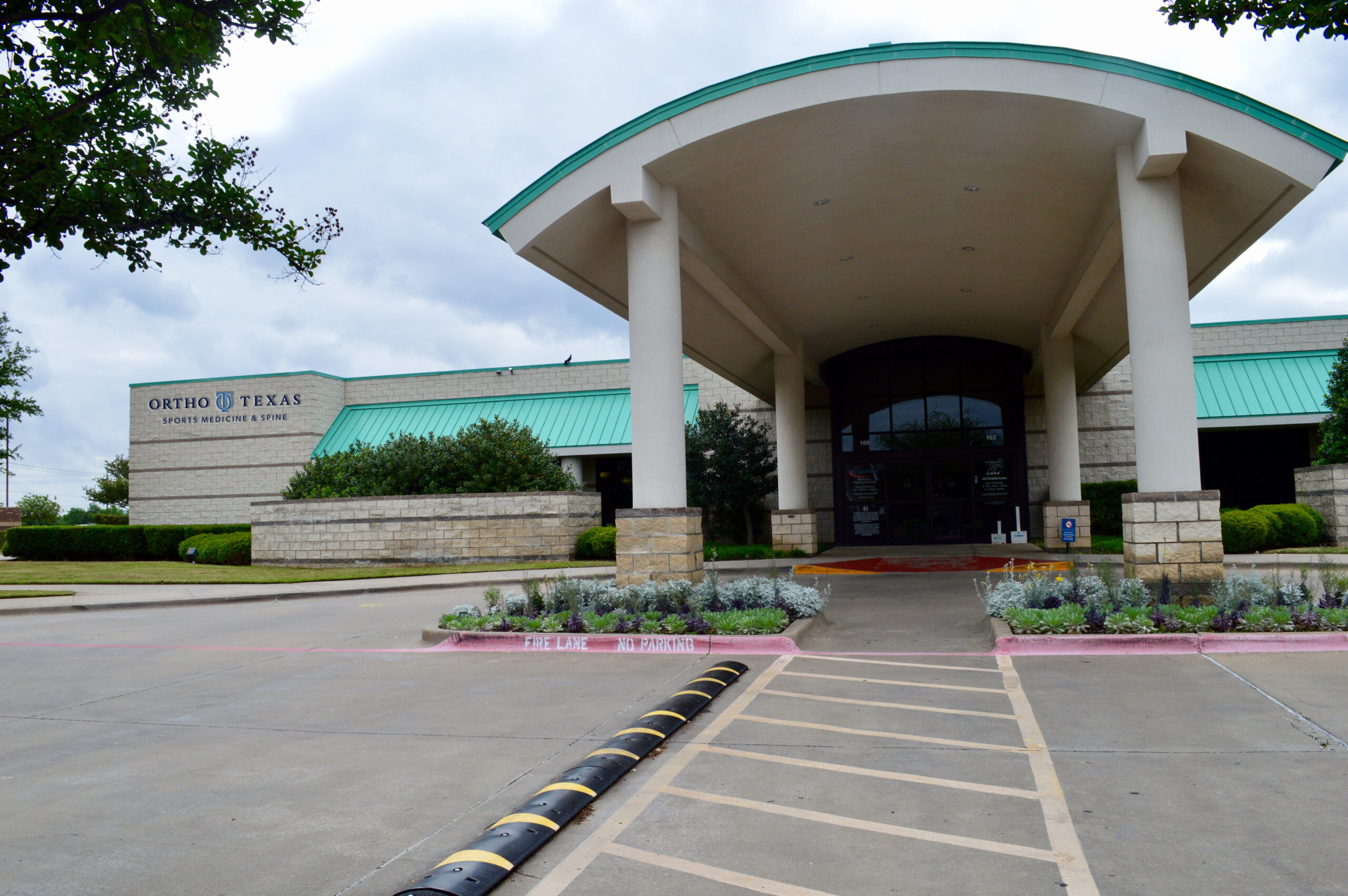
Carrollton
Clinic: Mon - Fri 8:00 am - 5:00 pm
PT: Mon - Thu 7:00 am - 7:00 pm,
PT: Fri 7:00 am - 4:00 pm
Clinic Phone: (972) 492-1334
PT Phone: (972) 395-2293
Clinic: (972) 492-7909
PT: (972) 395-2294
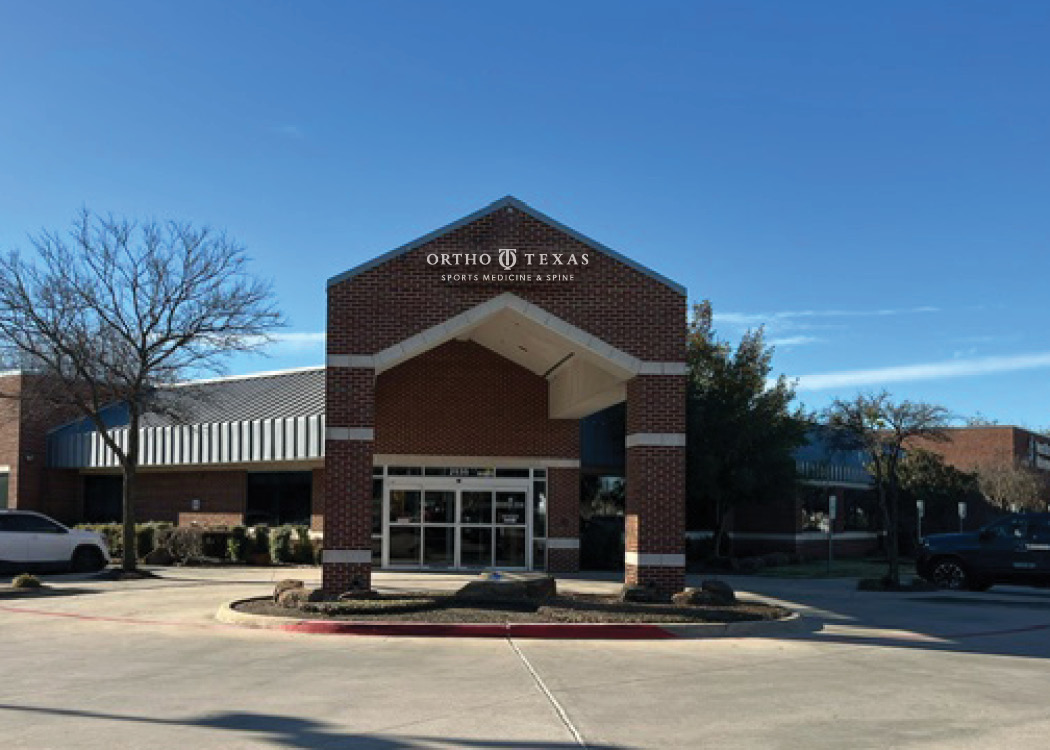
Grapevine
Clinic: Mon-Thur 8:00 am -5:00 pm
Clinic: Fri 8:00 am - 4:00 pm
PT: Mon-Thur 7:00 am - 7:00 pm
PT: Fri 7:00 am - 2:00 pm
Phone: (817) 481-2121
Fax: (817) 488-4493
Book Appointment
If you’ve experienced a fracture, joint injury, or trauma that needs expert evaluation or follow-up care, the orthopedic trauma specialists at OrthoTexas are here to help. Prompt assessment is essential to ensure proper healing, prevent complications, and restore mobility. Whether your injury is new, was previously treated elsewhere, or has not healed as expected, schedule an appointment today to receive comprehensive, timely care from one of North Texas’s leading orthopedic teams.
Frequently Asked Questions
What should I do if I think I have a fracture?
If you suspect a fracture due to significant pain, swelling, bruising, or difficulty using the injured limb, it’s important to seek prompt evaluation. Early assessment helps confirm the diagnosis, prevent further injury, and determine whether immobilization, imaging, or more advanced treatment is necessary.
When is surgery necessary for a fracture?
Surgery may be required when a fracture is unstable, displaced, involves multiple fragments, or affects a joint surface. Surgical treatment helps restore proper alignment, stabilize the bone, and promote healthy healing when conservative care is not sufficient.
How long does it take a broken bone to heal?
Most fractures heal within 6 to 12 weeks, though more complex injuries can take longer. Healing time depends on the type of fracture, the patient’s age, overall health, and how well the injury is protected during recovery.
What is the difference between internal and external fixation?
Internal fixation stabilizes a fracture from inside the body using plates, screws, rods, or nails. External fixation uses a stabilizing frame outside the body connected to the bone through pins. Both methods help maintain alignment while the bone heals.
What happens if a fracture doesn’t heal correctly?
If a bone fails to heal (non-union) or heals in an incorrect position (malunion), patients may experience ongoing pain, deformity, or limited function. Trauma specialists can correct these issues through procedures that realign the bone, stimulate healing, or replace hardware.
Can I walk or use the injured limb before seeing a doctor?
It’s best to avoid putting weight on or using an injured limb until it has been evaluated. Continued use may worsen the injury or increase pain.
Do all fractures show up on an X-ray?
Most fractures are visible on X-ray, but some, such as small stress fractures or certain wrist and hip injuries, may require additional imaging like MRI or CT for accurate diagnosis.
Will I need physical therapy after a fracture?
Physical therapy is often recommended after immobilization or surgery to restore strength, mobility, and function. Your orthopedic specialist will determine the right rehabilitation plan as your injury heals.
How soon should I follow up after an injury?
Follow-up is typically recommended within a few days after initial treatment. Ongoing visits help monitor healing, adjust immobilization, and identify complications early.
Can old injuries or untreated fractures be repaired?
Yes. Even long-standing injuries or fractures that did not heal properly can often be corrected with modern orthopedic techniques. Specialists can assess the damage and create a treatment plan to restore function.