
Shoulder Care at OrthoTexas
Shoulder Care at OrthoTexas brings together fellowship-trained shoulder and sports medicine specialists dedicated to diagnosing and treating the full spectrum of shoulder injuries and conditions. Serving patients across North Texas, OrthoTexas provides comprehensive, evidence-based care for everything from overuse injuries and instability to complex rotator cuff tears and arthritis. With advanced imaging, conservative treatment options, and state-of-the-art surgical expertise all within one integrated orthopedic system, OrthoTexas helps patients regain strength, restore mobility, and return to the activities they enjoy with confidence.


Expert Care for Shoulder Pain and Injury
Expert Care for Shoulder Pain and Injury at OrthoTexas focuses on early, accurate diagnosis and personalized treatment to help patients find relief and restore function. Shoulder pain is common, and in most cases, highly treatable with the right specialist and a clear care plan. OrthoTexas provides comprehensive shoulder care across North Texas, combining conservative treatments such as physical therapy and injections with advanced sports medicine and surgical solutions when needed. From everyday overuse injuries to complex athletic and degenerative conditions, our specialists guide patients through every stage of care with a conservative-first, outcomes-driven approach.
Conditions We Treat
OrthoTexas treats the full spectrum of shoulder conditions affecting athletes, active adults, and patients with chronic or degenerative issues. Our fellowship-trained shoulder and sports medicine specialists diagnose and manage both common and complex shoulder problems using evidence-based, conservative-first care, escalating to advanced surgical solutions only when necessary. Each condition is evaluated with a focus on restoring strength, stability, and pain-free movement.
Rotator Cuff Tears
Rotator cuff tears may be partial or full-thickness and often cause shoulder weakness, pain with lifting, and discomfort at night. These injuries can develop gradually from wear and tear or occur suddenly after trauma.
Shoulder Impingement & Bursitis
Inflammation of the shoulder tendons or bursa can lead to pain during overhead motion, reaching, or lifting. Impingement and bursitis are common causes of shoulder pain and often respond well to early, non-surgical treatment.
Labral Tears (SLAP, Bankart)
Labral tears involve damage to the cartilage rim of the shoulder socket and may cause clicking, catching, instability, or deep shoulder pain, especially in throwing athletes or after dislocation.
Shoulder Instability & Dislocations
Recurrent shoulder dislocations or a feeling that the joint may “slip out” are signs of instability, often related to ligament injury or structural damage that requires specialized evaluation.
Frozen Shoulder (Adhesive Capsulitis)
Frozen shoulder is characterized by progressive stiffness and restricted range of motion that develops in stages. Early diagnosis and guided treatment can help shorten recovery time.
Shoulder Arthritis
Degenerative arthritis of the shoulder joint leads to chronic pain, stiffness, and reduced mobility. Treatment focuses on pain relief, preserving motion, and improving daily function.
Fractures (Clavicle, Proximal Humerus)
Shoulder fractures commonly result from falls or high-impact trauma and may involve the collarbone or upper arm bone. Management ranges from immobilization to surgical repair, depending on severity.
Tendonitis & Overuse Injuries
Repetitive motion and athletic activity can cause tendon inflammation, leading to persistent pain and reduced performance. Early intervention helps prevent progression to more serious injury.
AC Joint Injuries & Separations
Injuries to the acromioclavicular (AC) joint often occur from falls or direct impact to the shoulder, causing localized pain, swelling, and visible deformity in more severe cases.
Biceps Tendon Injuries
Biceps tendonitis or tears can cause pain in the front of the shoulder, weakness with lifting, and a snapping or popping sensation, often associated with overhead activity or aging-related degeneration.
Shoulder Treatments and Procedures
OrthoTexas offers a comprehensive range of shoulder treatments designed to relieve pain, restore function, and help patients return to daily activities or athletic performance as safely and efficiently as possible. Care always begins with conservative, non-surgical options, using evidence-based protocols tailored to each patient’s condition, activity level, and goals. When surgery is necessary, OrthoTexas shoulder specialists utilize advanced, minimally invasive techniques and modern surgical approaches to optimize outcomes and recovery.
Non-Surgical Treatments
Many shoulder conditions improve without surgery. OrthoTexas emphasizes personalized non-surgical care plans that may include physical therapy to restore strength and mobility, activity modification to reduce strain, anti-inflammatory management, targeted injections for pain relief, and bracing when appropriate to support healing.
Image-Guided Injections
Image-guided injections are used for both diagnosis and symptom relief. Using ultrasound or fluoroscopic guidance allows providers to deliver medication precisely to the affected area, improving accuracy, effectiveness, and patient comfort while helping clarify the source of shoulder pain.
Arthroscopic Shoulder Surgery
Arthroscopic shoulder surgery uses small incisions and specialized instruments to treat a wide range of conditions, including rotator cuff tears, labral injuries, impingement, and instability. These minimally invasive techniques typically result in less tissue disruption, reduced pain, and faster recovery compared to traditional open surgery.
Shoulder Replacement Surgery
For patients with severe arthritis or advanced joint damage, shoulder replacement surgery may provide lasting pain relief and improved mobility. OrthoTexas surgeons offer modern shoulder replacement options, including total, partial, and reverse shoulder replacement when appropriate, tailored to each patient’s anatomy and functional needs.
Revision Knee Surgery
Revision knee surgery addresses complications such as implant wear, loosening, infection, or persistent pain following a previous knee replacement. These complex procedures are performed by experienced surgeons with specialized training in revision joint reconstruction.

Why Choose OrthoTexas for Shoulder Care?
OrthoTexas is a trusted destination for comprehensive shoulder care across North Texas, combining specialized expertise with a coordinated, patient-centered approach. Our shoulder care teams include fellowship-trained sports medicine and shoulder specialists with extensive experience treating everything from common overuse injuries to complex surgical conditions. OrthoTexas surgeons perform high volumes of rotator cuff repairs, labral repairs, and advanced shoulder procedures, applying leading-edge, minimally invasive techniques designed to improve precision, reduce recovery time, and enhance long-term outcomes. Integrated imaging, physical therapy, and sports rehabilitation services allow for seamless coordination from diagnosis through recovery, giving patients confidence that their care is guided by experience, collaboration, and proven results.
Advanced On-Site Imaging and Diagnostics
Accurate diagnosis is essential for effective shoulder care, and OrthoTexas provides advanced on-site imaging to support fast, precise evaluation. Digital X-ray, MRI, and ultrasound imaging allow specialists to quickly identify the source of shoulder pain, whether it involves bone alignment, rotator cuff tendons, labral cartilage, or soft tissue inflammation. Having imaging available within the same orthopedic system streamlines care, reduces delays, and enables real-time collaboration between physicians and therapists. This integrated diagnostic approach helps OrthoTexas shoulder specialists develop highly targeted treatment plans and move patients efficiently from diagnosis to recovery.
Integrated Shoulder Rehabilitation
Successful shoulder recovery depends on coordinated rehabilitation, and OrthoTexas integrates physical therapy directly into the shoulder care pathway. Our orthopedic specialists work closely with physical therapists to design personalized programs focused on restoring strength, stability, and range of motion, whether treating overuse injuries or guiding post-surgical recovery. This collaborative approach supports safe progression, reduces the risk of reinjury, and helps patients return to daily activities, work demands, and sports with confidence. By aligning rehabilitation goals with each patient’s diagnosis and procedure, OrthoTexas ensures continuity of care from treatment through full functional recovery.

Meet Our Shoulder Specialists
OrthoTexas shoulder care is led by a team of fellowship-trained orthopedic surgeons and sports medicine physicians with extensive experience diagnosing and treating shoulder conditions. Our specialists manage everything from common overuse injuries to complex rotator cuff tears, instability, and advanced arthritis, using both conservative and surgical approaches. Patients can easily identify and connect with shoulder-focused providers through dynamic filtering by specialty and location, ensuring access to the right expert for their specific condition. This depth of experience and focused expertise reinforces OrthoTexas’ leadership in shoulder care across North Texas.


Shoulder Care Across North Texas
OrthoTexas provides convenient access to specialized shoulder care across multiple clinic locations throughout North Texas. Patients can receive expert evaluation and treatment close to home, with many OrthoTexas clinics offering dedicated shoulder and sports medicine specialists, on-site imaging, and integrated rehabilitation services. This broad regional presence makes it easier to schedule timely appointments, complete diagnostic testing, and continue follow-up care without unnecessary travel, while still benefiting from the expertise of a unified orthopedic system.
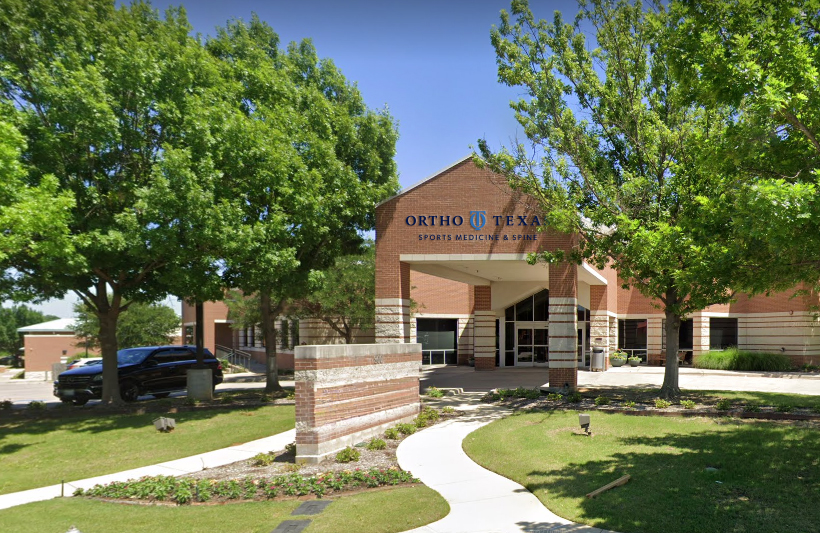
Arlington
Clinic: Mon-Fri 8:00 am - 5:00 pm
PT: Mon-Fri 7:00 am - 5:00 pm
Clinic Phone: (817) 375-5200
PT & OT Phone: (817) 375-5310
Clinic Fax: (817) 299-1789
PT Fax: (817) 299-1795
Arlington
Mon, Weds 8:00 am - 6:00 pm
Tues, Thurs 7:00 am - 4:00 pm
Fri 8:00 am - 3:00 pm
Phone: (817) 745-5096
Fax: (833) 471-6145
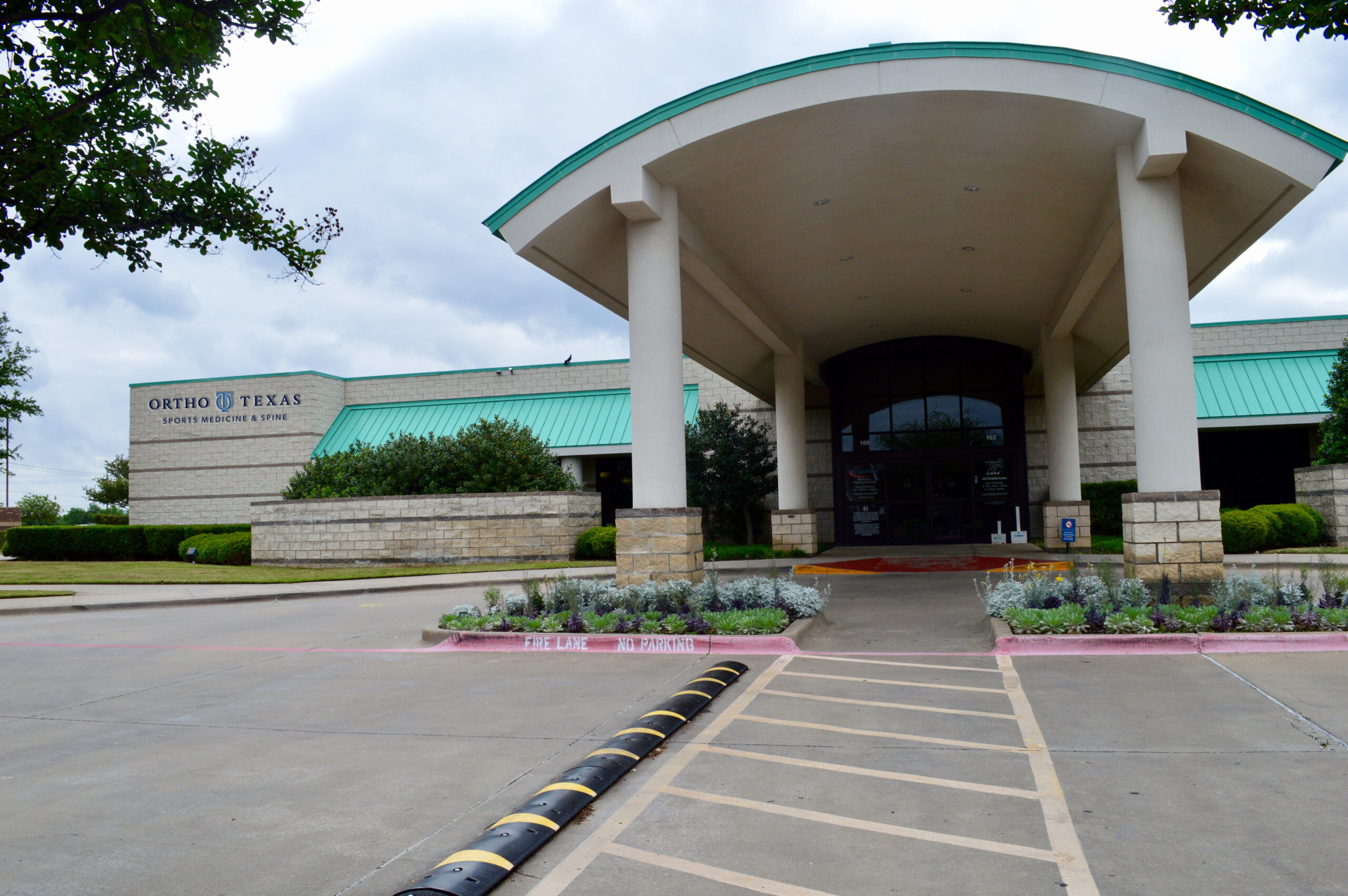
Carrollton
Clinic: Mon - Fri 8:00 am - 5:00 pm
PT: Mon - Thu 7:00 am - 7:00 pm,
PT: Fri 7:00 am - 4:00 pm
Clinic Phone: (972) 492-1334
PT Phone: (972) 395-2293
Clinic: (972) 492-7909
PT: (972) 395-2294
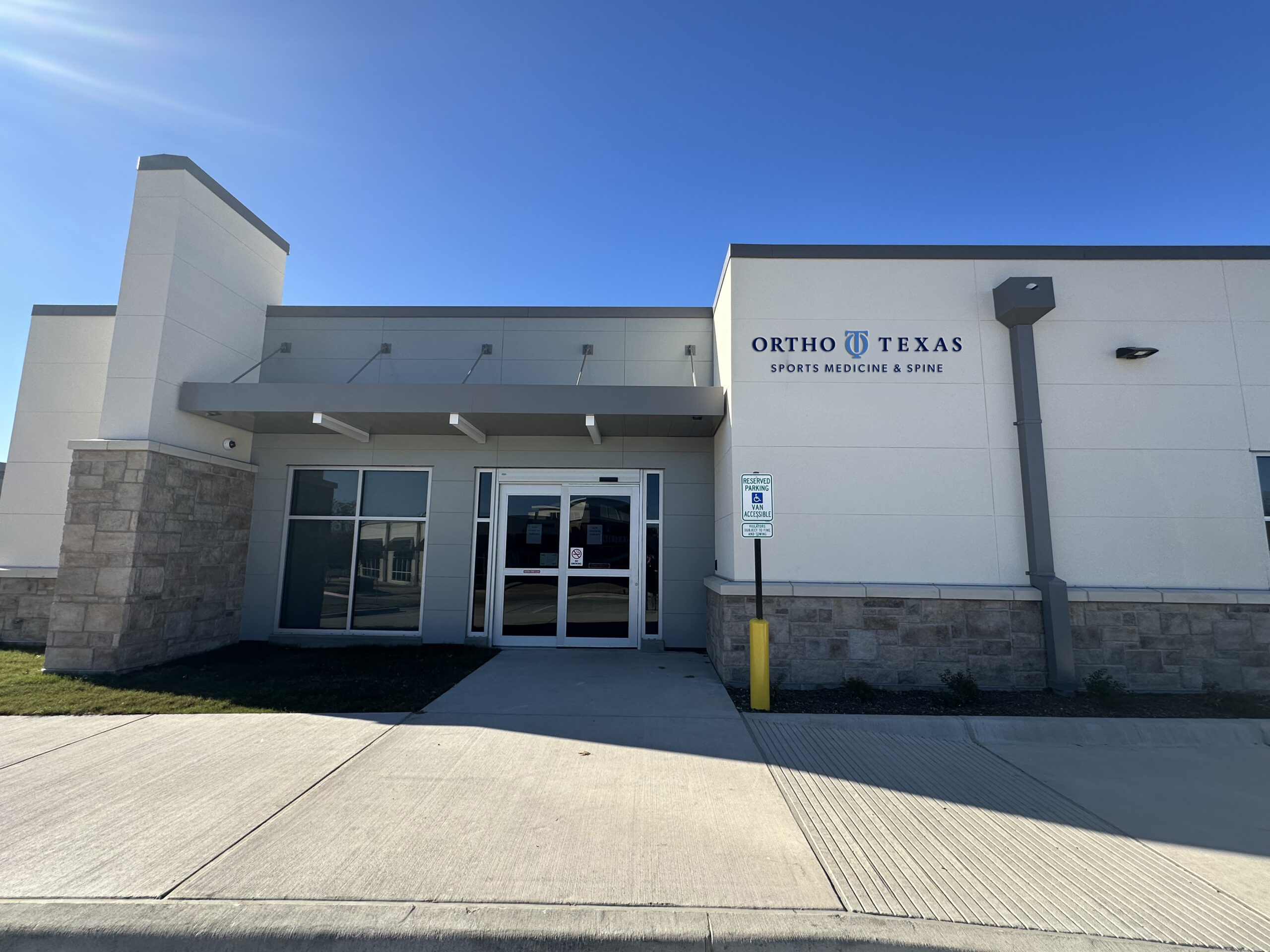
DeSoto
Clinic: Mon-Fri 8:00 am - 5:00 pm
PT: Mon-Fri 7:00 am - 5:00 pm
Clinic Phone: (817) 375-5200
PT Phone: (817) 375-5246
Clinic Fax: (817) 299-1789
PT Fax: (833) 471-6131
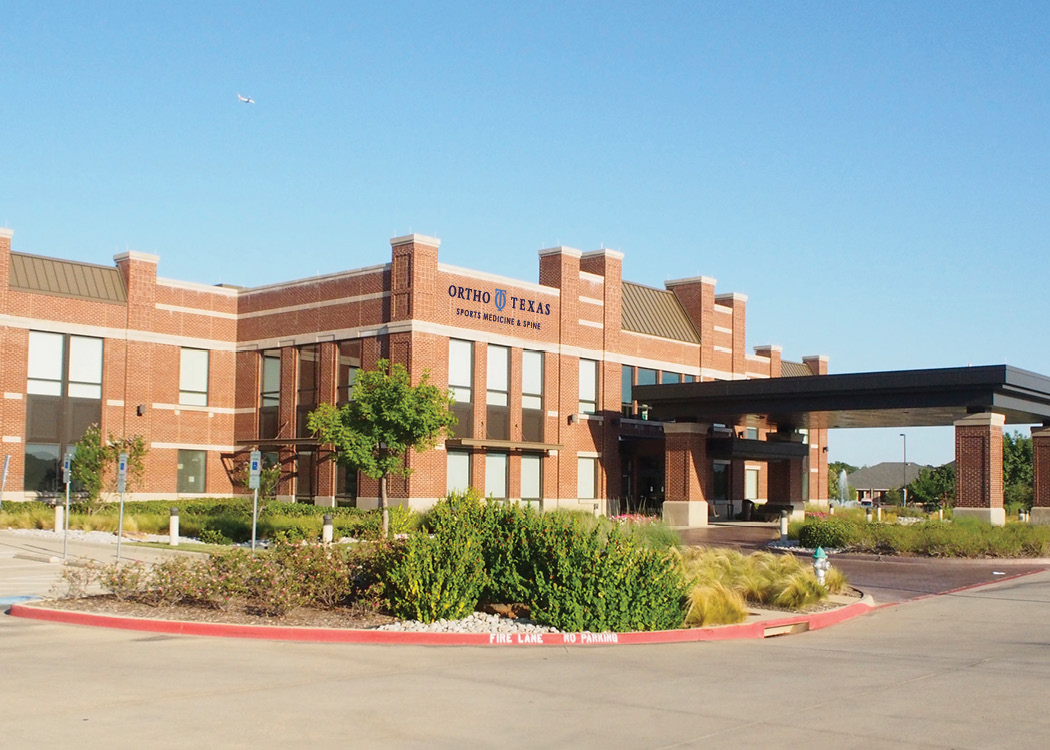
Flower Mound
Clinic: Mon - Fri 8:00 am - 5:00 pm
MRI: Mon - Fri 7:00 am - 5:00 pm
Surgery Center: Mon - Fri 6:00 am - 5:00 pm"
Phone QA: (972) 420-1776
Phone ASO: (972) 556-2885
Fax QA: (214) 222-6660
Fax ASO: (972) 506-8733
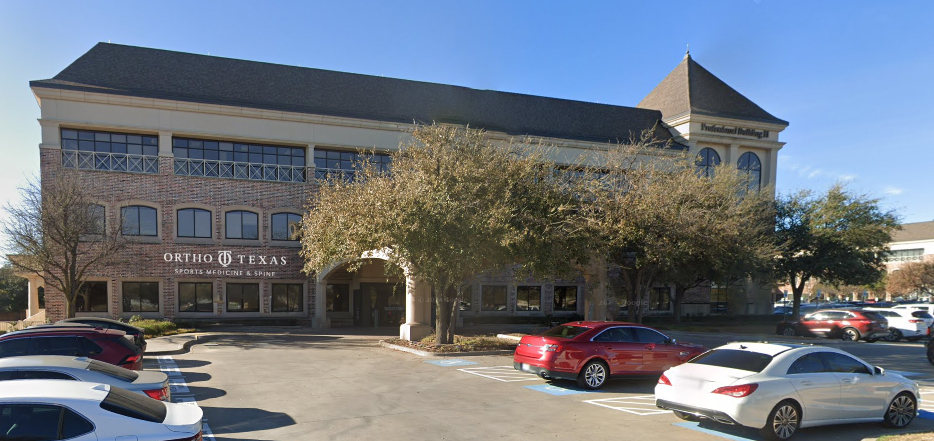
Frisco
Clinic: Mon-Fri 8:00 am - 5:00 pm
PT: Mon, Weds 7:00 am - 12:00 pm
PT: Tues, Thurs 8:00 am - 1:00 pm
PT: Fri 2:00 pm - 7:00 pm
Clinic: (972) 492-1334
PT: (214) 618-4301
Clinic: (214) 618-5503
PT: (214) 618-4302
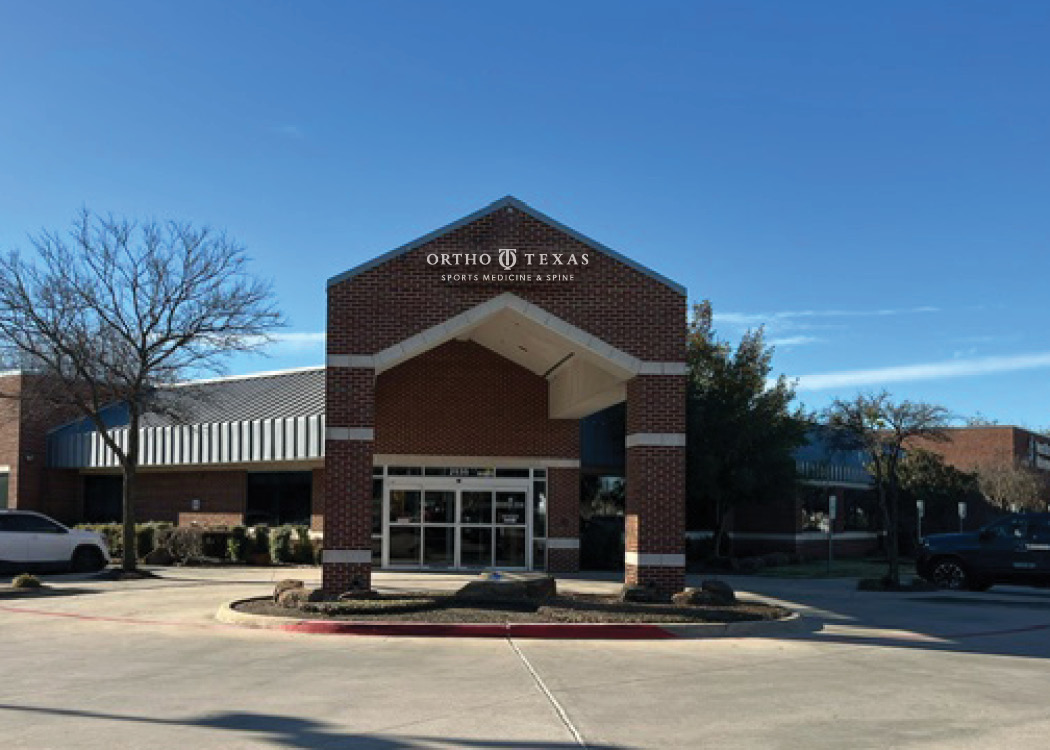
Grapevine
Clinic: Mon-Thur 8:00 am -5:00 pm
Clinic: Fri 8:00 am - 4:00 pm
PT: Mon-Thur 7:00 am - 7:00 pm
PT: Fri 7:00 am - 2:00 pm
Phone: (817) 481-2121
Fax: (817) 488-4493
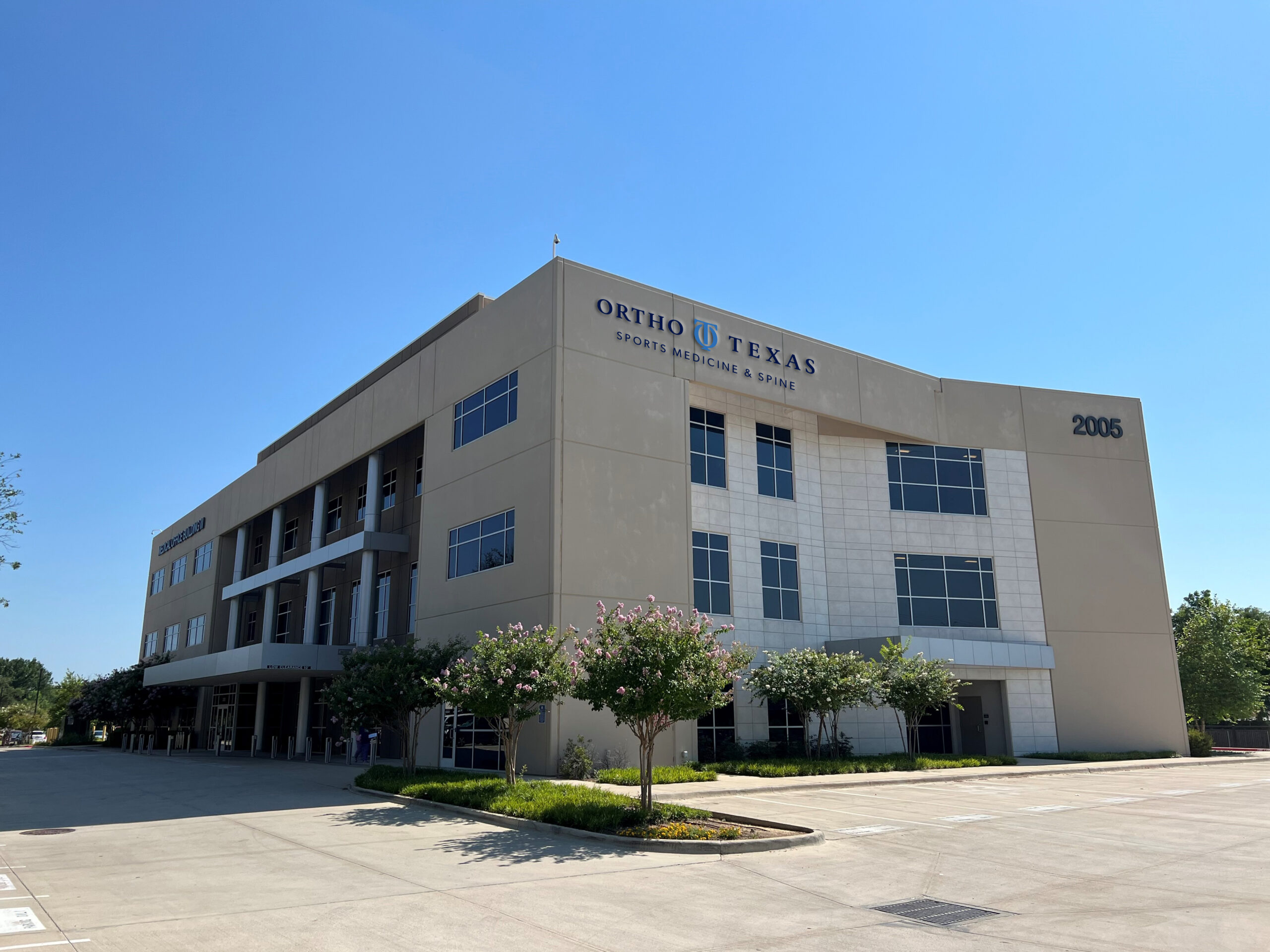
Irving
Clinic: Mon-Fri 8:00 am - 5:00 pm
Phone: (817) 375-5200
Fax: (817) 299-1789
Irving
Mon-Thurs 8:00 am - 6:00 pm
Fri 8:00 am - 12:00 pm
Phone (817) 375-5312
Fax (469) 351-7549
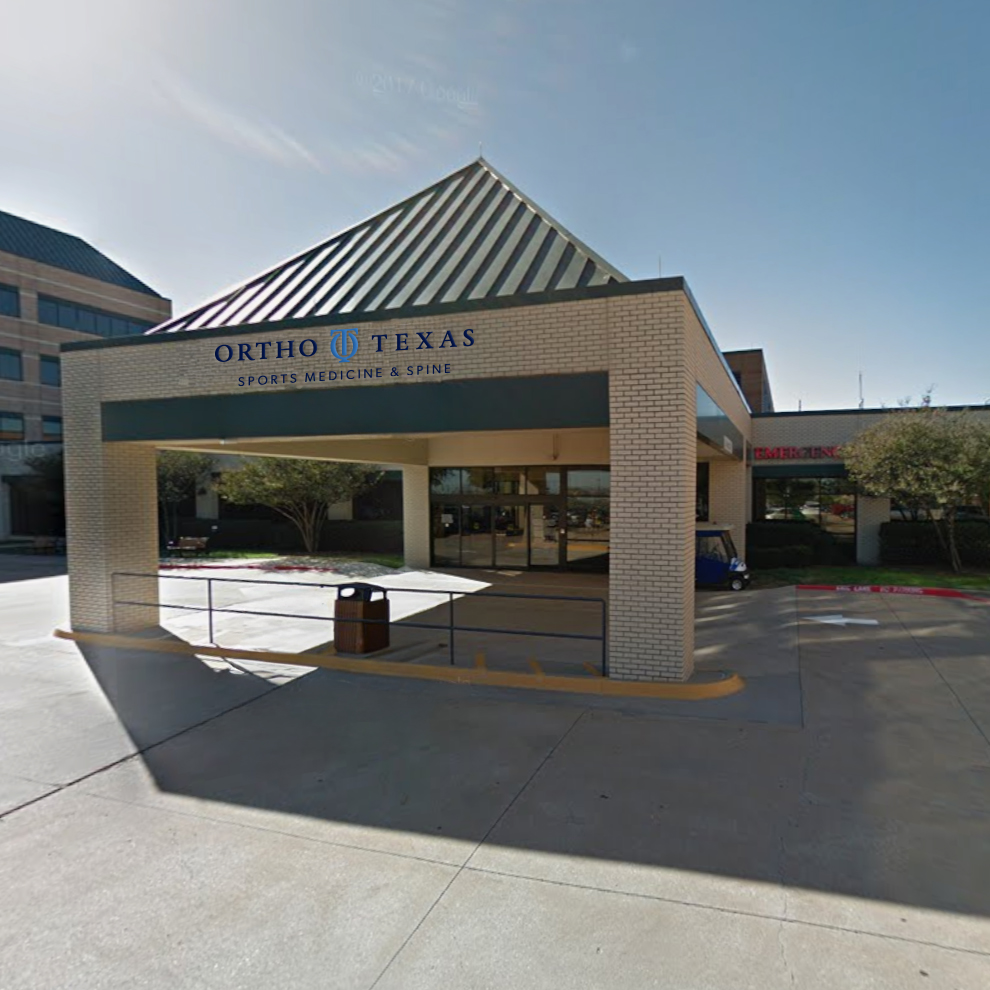
Irving
Mon-Fri 8:30 am – 5:00 pm
Phone: (972) 556-2885
Fax: (972) 506-8733
Irving
Mon & Weds 9:30 am - 6:30 pm
Tues & Thurs 7:00 am - 4:00 pm
Fri: 7:00 am - 1:00 pm
Phone: (972) 331-9022
Fax: (972) 330-4257
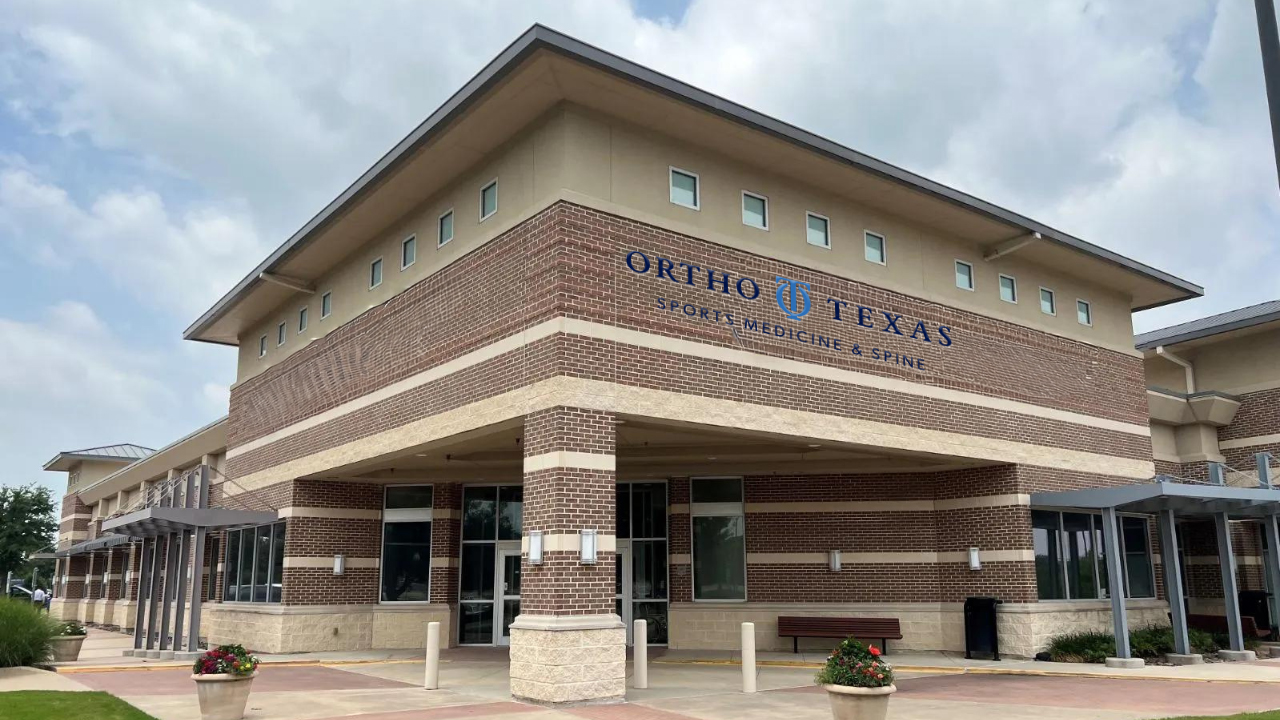
Mansfield
Clinic: Mon-Fri 8:00 am - 5:00 pm
OT: Mon, Wed, Thurs 8:00 am - 5:00 pm
Clinic Phone: (817) 375-5200
OT Phone: (817) 375-5320
Clinic Fax: (817) 299-1789
OT Fax: (833) 471-6133
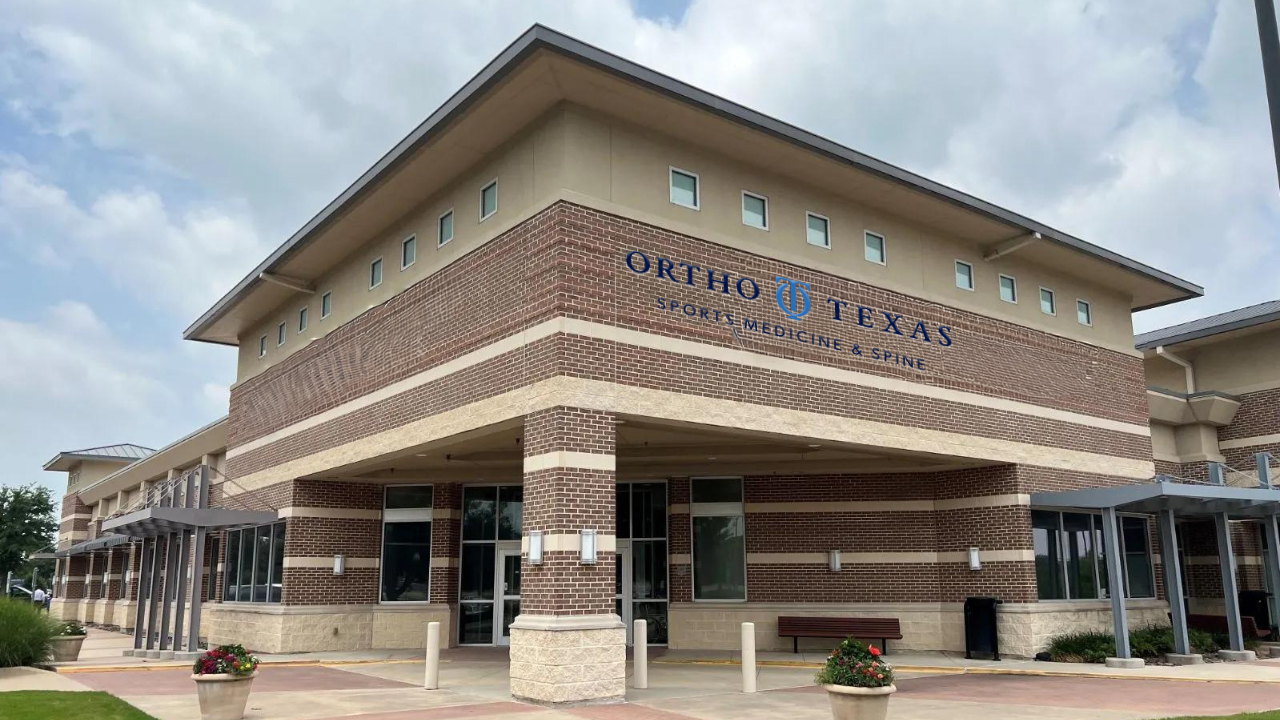
Mansfield
Mon-Thurs 7:00 am - 7:00 pm
Fri 7:00 am - 5:00 pm
Phone: (817) 375-5320
Fax: (833) 471-6133
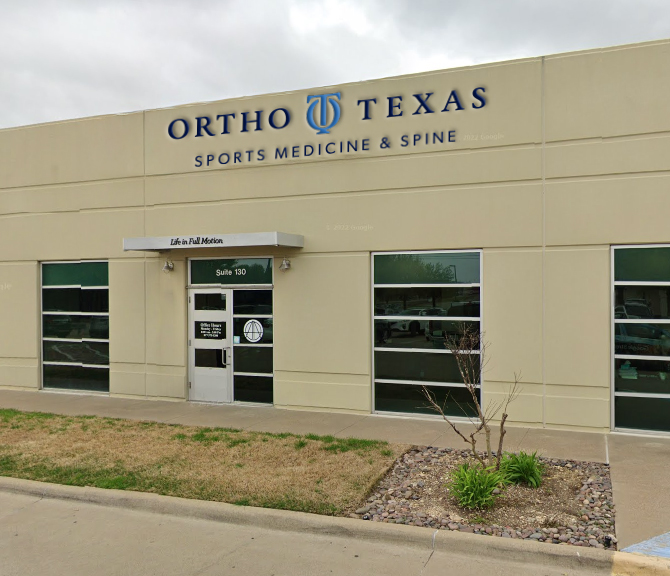
Midlothian
Clinic: Mon-Fri 8:00 am - 5:00 pm
Phone (817) 375-5200
Fax (817) 299-1789
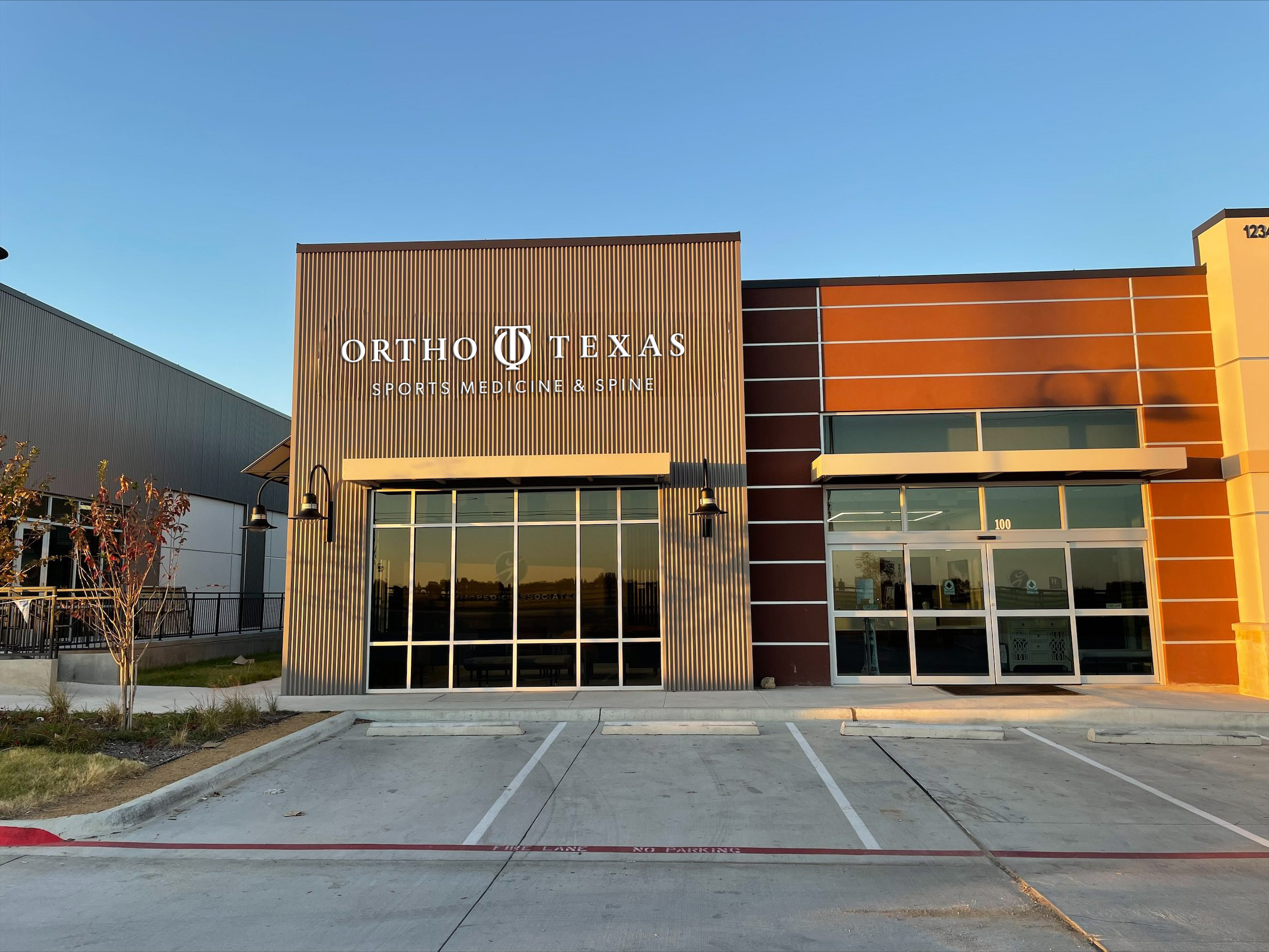
Northlake
Mon - Fri 8:00 am - 5:00 pm
Phone: (972) 420-1776
Fax: (214) 222-6660
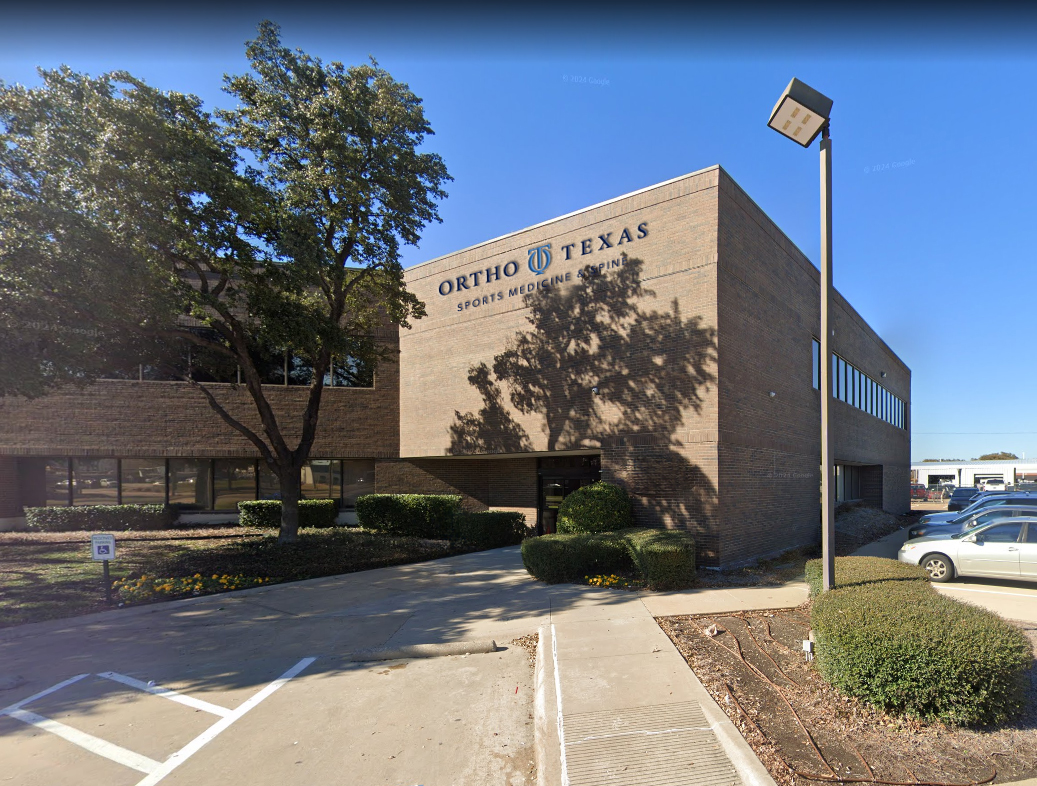
Plano
Mon-Fri 8:00 am - 5:00 pm
Phone: (972) 492-1334
Fax: (972) 596-9382
Plano
Mon, Weds, Fri 7:00 am - 11:00 am and 12:00 pm - 4:00 pm
Tues, Thurs 10:00 am - 1:00 pm and 2:00 pm - 7:00 pm
Phone: (972) 596-1715
Fax: (972) 867-9726
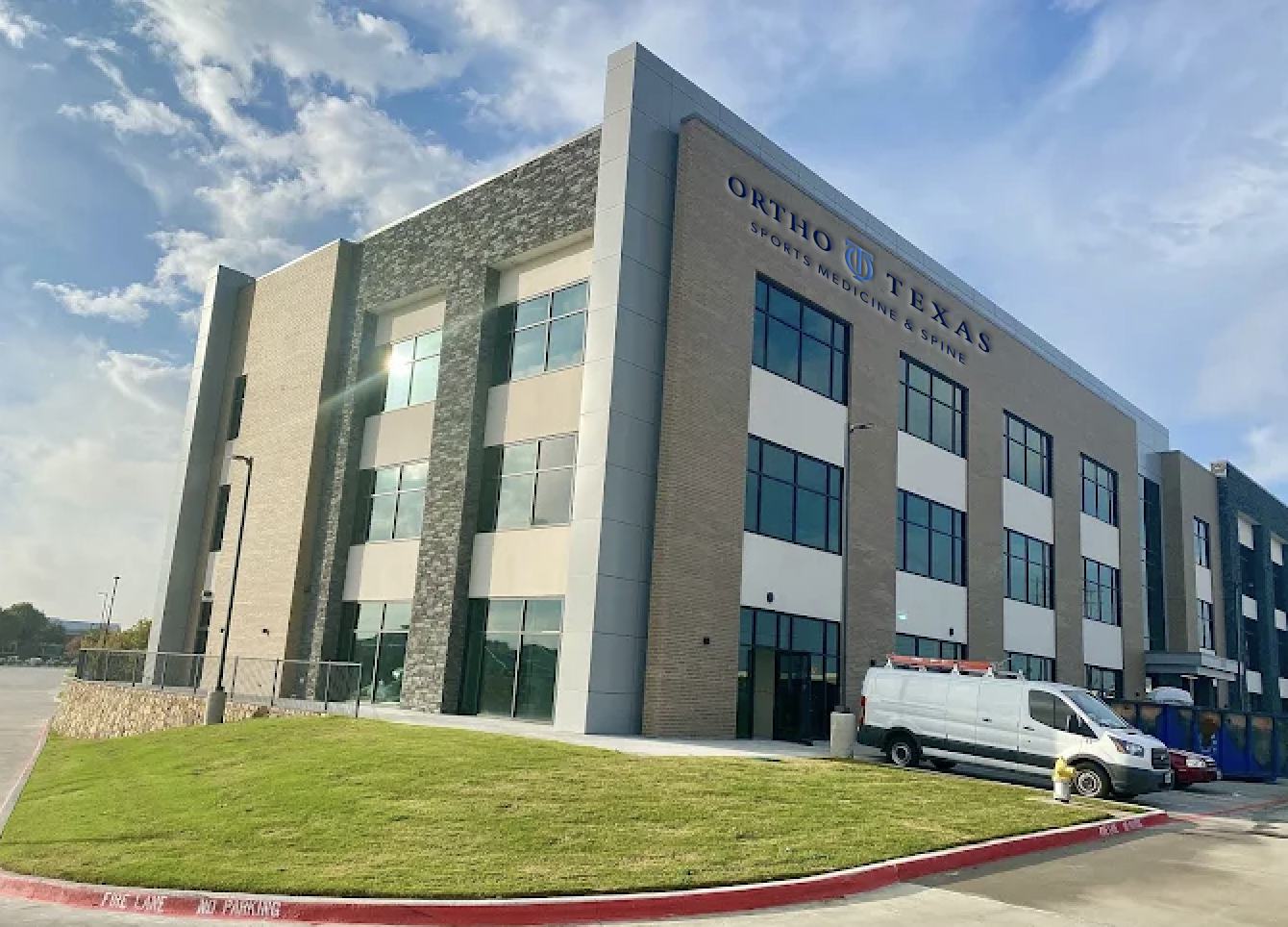
Plano
Mon-Fri 8:30am - 5:00pm
Phone (214) 370-3535
Fax (214) 370-0004
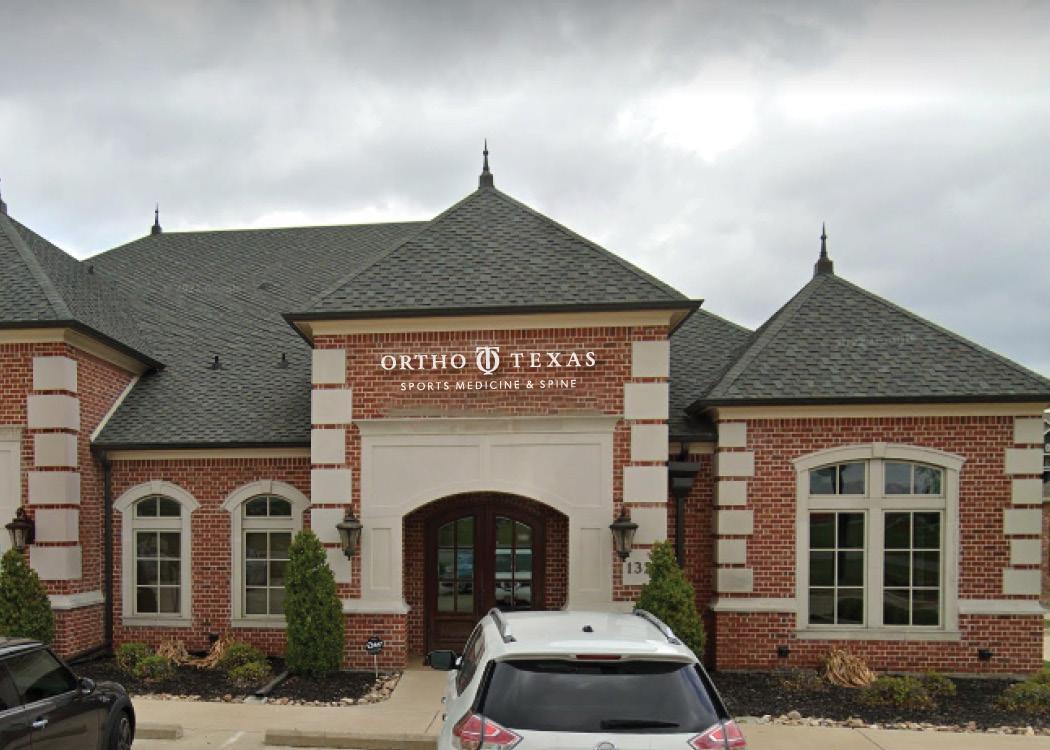
Waxahachie
Clinic Mon-Fri : 8:00 am - 5:00 pm
PT: Mon-Thurs 8:00 am - 5:00 pm,
PT: Fri Fri 8:00 am - 2:00 pm
Clinic Phone: (817) 375-5200
PT Phone: (817) 617-2710
Clinic Fax: (817) 299-1789
PT Fax: (833) 471-6139
Book Appointment
If shoulder pain, weakness, instability, or limited motion is affecting your daily activities or performance, early evaluation can make a meaningful difference in recovery. OrthoTexas makes it easy to book an appointment with a shoulder specialist, offering convenient locations, on-site imaging, and coordinated care within one orthopedic system. Schedule an appointment today to receive an accurate diagnosis and a personalized treatment plan designed to relieve pain, restore function, and help you return to the activities you enjoy.
Frequently Asked Questions
What are the most common causes of shoulder pain?
Shoulder pain can come from a variety of issues, including rotator cuff problems, shoulder impingement or bursitis, arthritis, and injuries from falls, sports, or overuse. Because many shoulder conditions share similar symptoms, an orthopedic evaluation is often the best way to identify the underlying cause.
How do I know if I have a rotator cuff tear?
Common signs of a rotator cuff tear may include shoulder weakness, pain when lifting or reaching overhead, difficulty sleeping on the affected side, or reduced range of motion. These symptoms can also occur with less severe conditions, so imaging and a physical exam are important for an accurate diagnosis.
Can shoulder pain go away on its own?
Some mild shoulder pain related to overuse or strain may improve with rest and activity modification. However, pain that persists, worsens, or is associated with weakness, stiffness, or instability should be evaluated to prevent further injury and guide appropriate treatment.
What is the difference between a labral tear and shoulder instability?
A labral tear involves damage to the cartilage rim that helps stabilize the shoulder joint, while shoulder instability refers to excessive looseness or repeated dislocations of the joint. Labral tears can contribute to instability, especially in active individuals or athletes.
When is shoulder surgery necessary?
Shoulder surgery is typically considered only after non-surgical treatments such as physical therapy, medications, or injections have not provided sufficient relief, or when there is significant structural damage. OrthoTexas specialists use a conservative-first approach and recommend surgery only when it offers the best path to recovery.
Do I need imaging before seeing a shoulder specialist?
In many cases, imaging such as X-rays or MRI can be performed after your initial visit if needed, allowing the specialist to determine the most appropriate next steps.
How long does recovery take after a shoulder injury or surgery?
Recovery time varies based on the condition and treatment approach, ranging from weeks for minor injuries to several months for surgical repair, often supported by structured physical therapy.
Can physical therapy help shoulder pain without surgery?
Yes, physical therapy is a common first-line treatment for many shoulder conditions and can significantly improve strength, mobility, and pain without the need for surgery.