
Orthopedic Imaging at OrthoTexas
At OrthoTexas, diagnostic imaging isn’t a separate step, it’s a central part of how we deliver comprehensive orthopedic care.
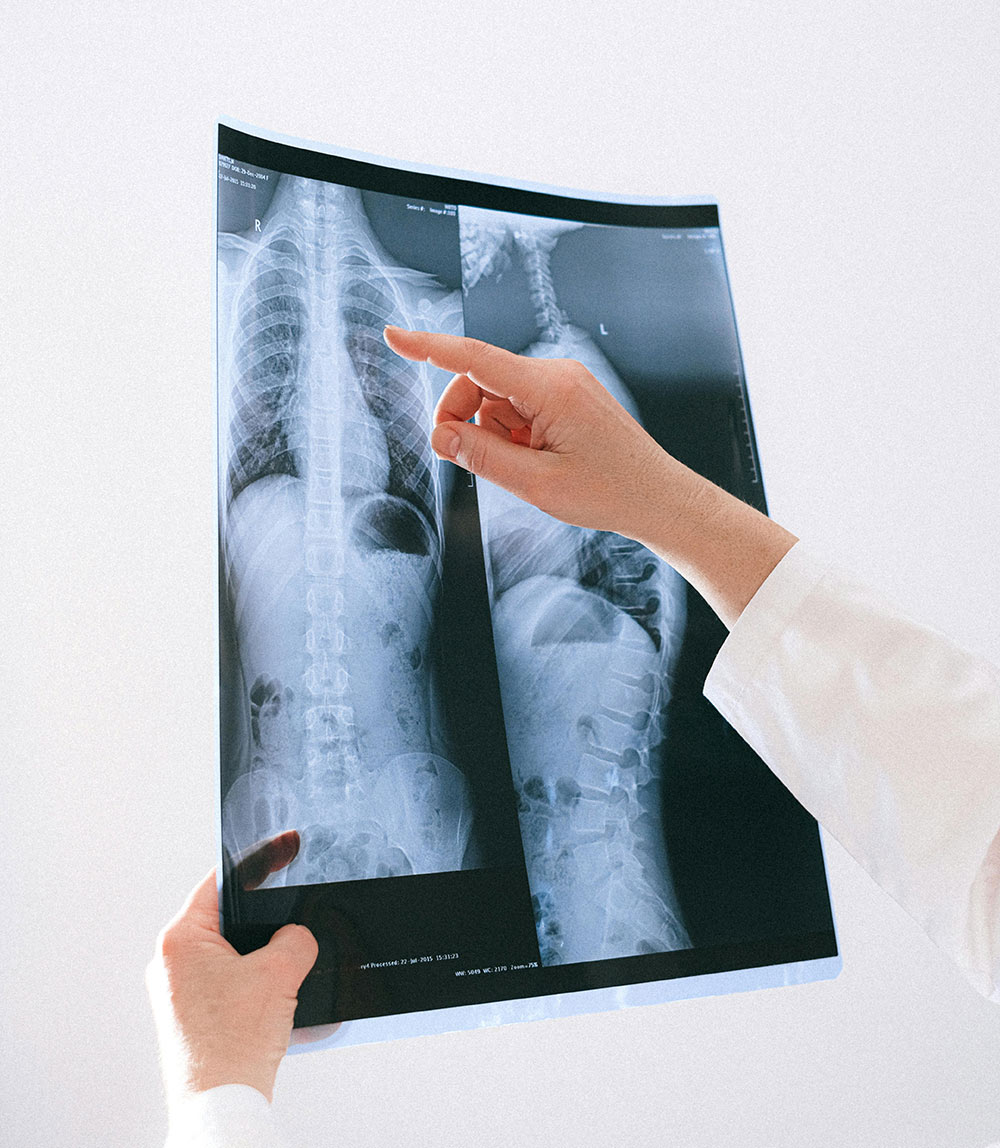
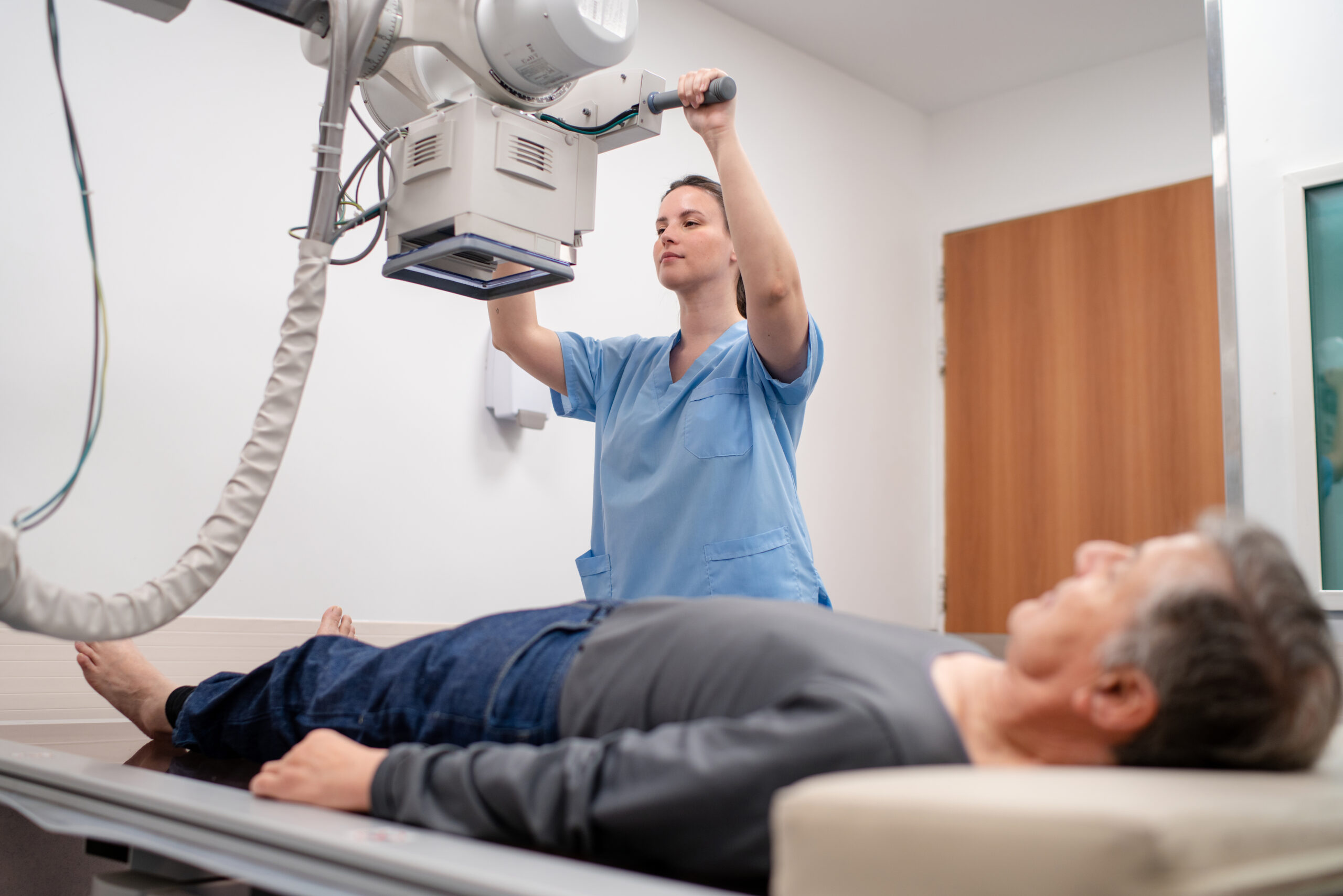
Advanced, Convenient Imaging for Accurate Orthopedic Diagnosis
On-site imaging at OrthoTexas allows patients to receive a faster, more accurate diagnosis without traveling to an outside facility. X-rays are available at every clinic, giving our orthopedic surgeons, pain management physicians, and physical therapists immediate access to the images they need. This streamlined approach results in quicker appointments, same-day results, and more coordinated care across your entire treatment team. With imaging and clinical evaluation happening under one roof, patients experience fewer delays, simplified follow-up, and a smoother path from diagnosis to recovery.
Imaging Services We Offer
OrthoTexas provides advanced, on-site imaging designed specifically to support fast, accurate orthopedic diagnosis and treatment planning. Our imaging modalities give specialists the detailed information they need to evaluate injuries, identify the source of pain, and create targeted care plans without delay.
Each tool plays a specific role in diagnosing bone, joint, and soft tissue conditions, helping ensure you receive the right treatment as quickly as possible.
X-ray (Radiography)
X-rays are the most common first step in orthopedic evaluation. They help identify fractures, joint alignment issues, arthritis, and changes in joint spacing that may be causing pain or limited mobility.
Learn More >
MRI (Magnetic Resonance Imaging)
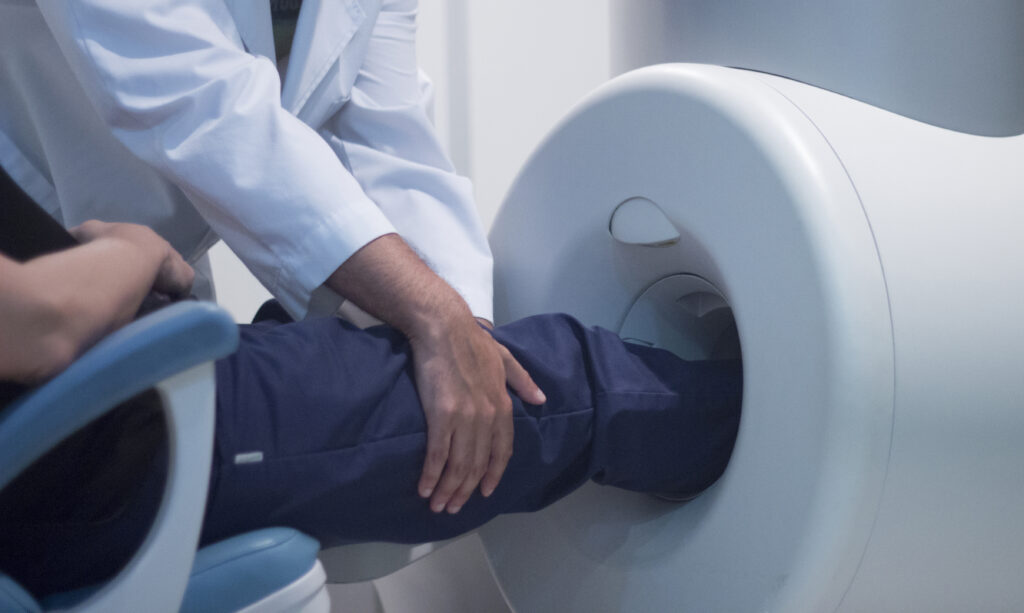
MRI offers highly detailed images of soft tissues, making it an essential tool for diagnosing ligament and tendon injuries, cartilage damage, disc problems, and labral tears that may not appear on X-ray.
Ultrasound Imaging
Ultrasound provides a dynamic, real-time assessment of muscles, tendons, and ligaments. It is also valuable for guiding targeted injections with enhanced precision during pain management treatments.
Learn More >
CT Scans (Computed Tomography)
If offered at OrthoTexas or through a trusted partner, CT scans deliver high-resolution images ideal for evaluating complex fractures and supporting pre-surgical planning.
Learn More >
Image-Guided Injections
Using ultrasound or fluoroscopic guidance, image-assisted injections help ensure medication is delivered to the exact source of pain, improving accuracy and patient outcomes.
Learn More >
Bone Density Testing (DEXA - Dual-Energy X-Ray Absorptiometry)
If available, DEXA scans help assess osteoporosis risk by measuring bone strength and density to guide early intervention and preventive care.
Learn More >
Conditions Commonly Evaluated With Imaging
Orthopedic imaging plays a critical role in diagnosing many of the most common musculoskeletal conditions. By pairing each condition with the most appropriate imaging tool, OrthoTexas ensures faster, more accurate evaluation and more effective treatment planning. These high-volume conditions benefit from X-ray, MRI, ultrasound, or CT technology depending on whether bone, joint, soft tissue, or spine structures need to be assessed.
Fractures and Trauma Injuries
X-rays are typically the first choice for identifying fractures, dislocations, and other traumatic injuries. For more complex fractures or surgical planning, CT scans provide additional detail and clarity.
Joint Pain and Arthritis
X-rays help evaluate joint spacing, alignment, and signs of arthritis. MRI offers deeper insight into cartilage loss, inflammation, and early degenerative changes that may not appear on X-ray.
Ligament and Tendon Injuries
MRI is the primary tool for diagnosing ligament tears, tendon damage, and overuse injuries involving the ACL, rotator cuff, or Achilles tendon. Ultrasound is also used for dynamic assessment of soft tissue injuries.
Back and Neck Pain
MRI provides highly detailed images of the spine, helping identify herniated discs, spinal stenosis, nerve compression, and other causes of chronic neck or back discomfort.
Sports Injuries
MRI and ultrasound are frequently used to evaluate meniscus tears, muscle strains, and soft tissue injuries common in athletics. These tools help guide treatment decisions and return-to-play planning.
Pediatric Orthopedic Conditions
X-rays are used to evaluate growth plate injuries and developmental concerns. MRI may be recommended when more detailed imaging is needed for congenital or soft tissue issues.
Foot and Ankle Conditions
X-rays assess fractures, alignment issues, and arthritis in the foot and ankle. MRI or ultrasound may be used for ligament tears, tendon injuries, or chronic heel pain.
Shoulder Pain and Instability
MRI evaluates rotator cuff tears, labral injuries, and soft tissue inflammation, helping guide both conservative care and surgical planning.
Why Choose OrthoTexas for Orthopedic Imaging?
OrthoTexas delivers a streamlined, patient-centered imaging experience designed to support fast, accurate orthopedic care. With convenient scheduling and same-day access at many locations, patients receive imaging and evaluation in one visit. Our imaging services are fully integrated with orthopedic, pain management, and therapy teams, allowing providers to communicate immediately and make timely treatment decisions. On-site radiologic technologists with orthopedic expertise ensure high-quality studies using advanced equipment, while seamless transitions from imaging to diagnosis means you avoid unnecessary appointments or delays. This coordinated approach helps you get answers quickly and begin the right treatment sooner.
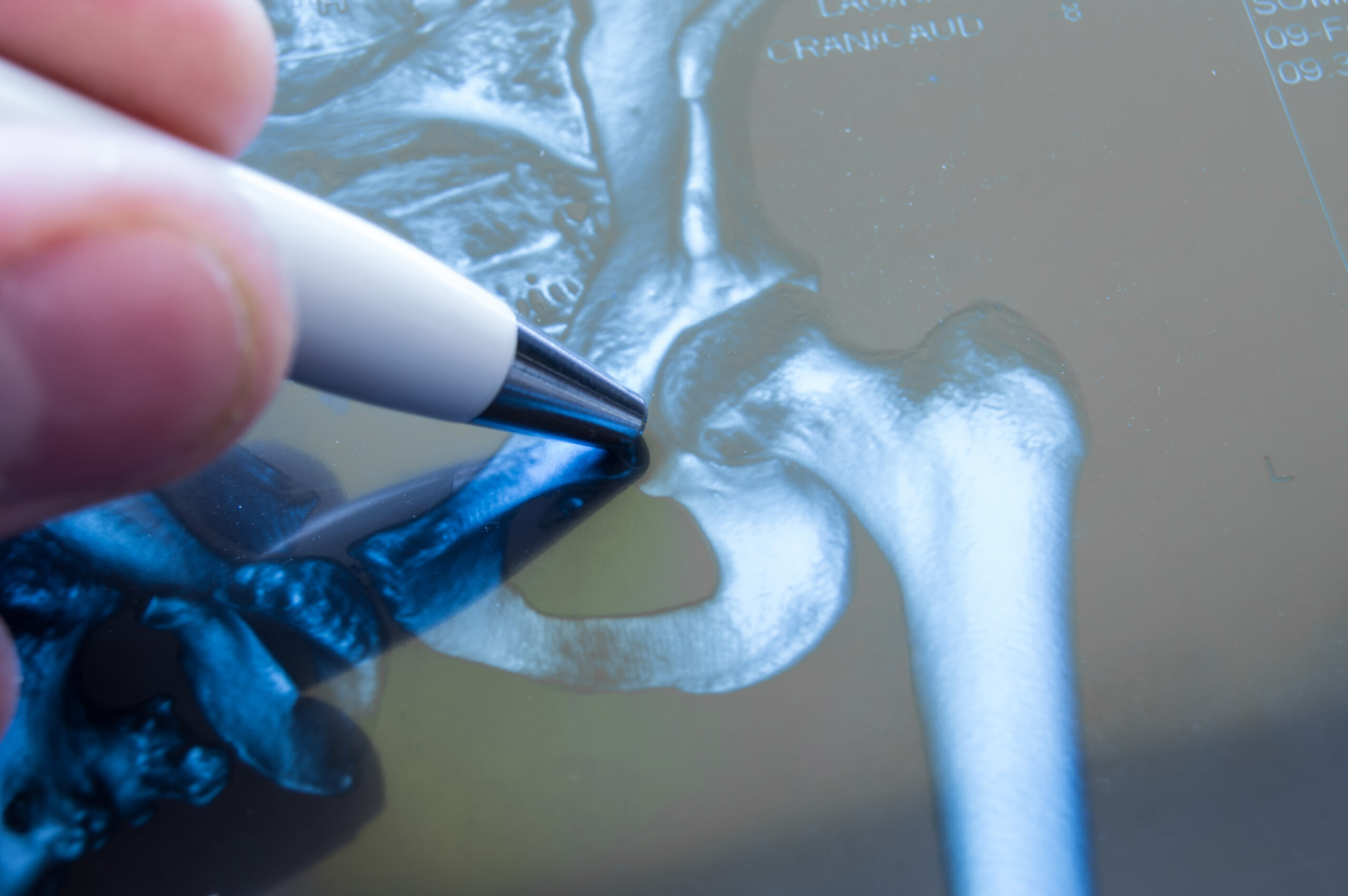
What to Expect During Your Imaging Appointment
Your imaging visit at OrthoTexas is designed to be clear, comfortable, and stress-free. Most studies require little to no preparation, and appointments are typically brief, depending on the type of imaging needed. Our technologists explain each step before beginning, help position you comfortably, and follow strict safety protocols throughout the process. During the exam, you can expect a calm environment, supportive guidance, and clear instructions to ensure accurate results. After the study is complete, your images are reviewed promptly by your care team so you can move directly into the next step of your evaluation or treatment plan without unnecessary waiting or additional appointments.
How Imaging Supports Your Treatment Plan
Imaging plays a central role in how OrthoTexas evaluates injuries and develops personalized treatment plans. Your imaging results help your physician confirm an accurate diagnosis, determine whether non-surgical or surgical care is the best option, and tailor a treatment approach that meets your specific needs. Advanced imaging also guides physical therapy and rehabilitation plans by highlighting the structures involved and the extent of injury. As you progress, repeat imaging may be used to monitor healing, track chronic conditions, or adjust your care plan when needed. By integrating imaging directly into the orthopedic decision-making process, OrthoTexas ensures every patient receives precise, individualized care.
Imaging Locations Across North Texas
At OrthoTexas, convenience is part of the care. Every OrthoTexas clinic includes on-site imaging so you don’t need to travel to a separate facility. This means patients across North Texas have easy access to diagnostic imaging at the same place they see their orthopedic specialist.
By offering on-site imaging at all these locations, OrthoTexas helps reduce wait times and travel, making it easier for you to receive comprehensive, coordinated care.
Book Appointment
If you need diagnostic imaging or an orthopedic evaluation that includes imaging, OrthoTexas makes it easy to get started. With on-site imaging available at multiple clinics across North Texas, you can schedule an appointment quickly and receive a thorough evaluation and imaging in the same visit. Whether you’re dealing with a recent injury, ongoing pain, or a chronic condition, our team is ready to help you get clear answers and begin the right treatment plan. Contact OrthoTexas today to schedule your appointment.
Frequently Asked Questions
Can I have imaging and my orthopedic evaluation on the same day?
Answer: Yes. Many OrthoTexas locations offer same-day imaging and evaluation, allowing your provider to review images immediately and begin planning your treatment without extra appointments.
What should I bring to my imaging appointment?
Answer: Bring any prior imaging studies, your insurance information, and a list of medications. Comfortable clothing and, if applicable, removal of metal jewelry or accessories will help ensure accurate imaging.
How soon will I receive my imaging results?
Answer: Most imaging results are available within 24 to 48 hours. Your orthopedic specialist will review the results as soon as they are ready and discuss them with you during your visit or follow-up.
Are contrast agents used in imaging, and are they safe?
Answer: Contrast may be used in certain MRI studies to enhance image clarity. These agents are generally safe, and your provider will review any potential risks, including allergies or kidney concerns, before the scan.
Do children need special preparation for imaging?
Answer: Pediatric patients may need age-appropriate guidance or assistance to remain still during imaging. OrthoTexas technologists are experienced in working with children to ensure safety, comfort, and accurate results.
Do I need an X-ray or an MRI?
Answer: Your OrthoTexas specialist will determine the best imaging test based on your symptoms, injury type, and the structures that need evaluation. X-rays are typically used to assess bones, fractures, joint alignment, and arthritis. MRI provides more detailed images of soft tissues, including ligaments, tendons, cartilage, and discs. In some cases, your provider may recommend both tests to get a complete picture for accurate diagnosis and treatment planning.
How long does an MRI or X-ray take?
Answer: X-rays are quick, usually completed within 5 to 15 minutes, depending on the number of views needed. MRI scans take longer, generally 20 to 60 minutes, depending on the area being examined and whether contrast is required. Ultrasound exams are typically 15 to 30 minutes. The appointment length can also be affected by patient positioning, complexity of the study, and the need for guided procedures.
Are imaging tests safe?
Answer: Yes. X-rays and CT scans use a small amount of ionizing radiation, while MRI and ultrasound do not use radiation at all. MRI uses a strong magnetic field and radio waves, and ultrasound uses sound waves to create images. Our team follows strict safety protocols to minimize any risk and ensure your imaging experience is safe and effective.
Will my imaging results be explained to me?
Answer: Absolutely. At OrthoTexas, your imaging results are reviewed by your orthopedic specialist, who will explain the findings in plain language, discuss their implications, and outline the recommended next steps for treatment. This ensures you fully understand your diagnosis and care plan.
Do I need a referral for imaging at OrthoTexas?
Answer: Referral requirements vary by insurance plan. In most cases, imaging is coordinated through your OrthoTexas provider, meaning you usually do not need a separate referral. Our staff can help clarify your coverage and guide you through scheduling your imaging appointment.