
Total Joint Replacement at Ortho Texas
Joint replacement at OrthoTexas is led by a team of fellowship-trained orthopedic surgeons who specialize in restoring mobility, reducing pain, and improving quality of life for patients with advanced arthritis or severe joint damage.


As one of the most trusted orthopedic groups in North Texas, OrthoTexas performs a high volume of hip, knee, and shoulder replacements using evidence-based protocols and advanced surgical techniques, including minimally invasive approaches, computer-assisted navigation, and patient-specific planning.
With an integrated care model, onsite imaging, and dedicated rehabilitation partners, patients receive seamless, end-to-end support from diagnosis through recovery.
Restoring Mobility Through Advanced Joint Replacement Care
At OrthoTexas, restoring mobility begins with a patient-centered approach that blends advanced surgical expertise with evidence-based care for arthritis, degenerative joint conditions, and complex joint injuries.
Our fellowship-trained joint replacement surgeons use proven techniques and modern implant technology to reduce pain, improve function, and support long-term joint health. Whether a patient is struggling with chronic stiffness, bone-on-bone arthritis, or loss of mobility that limits daily activities, OrthoTexas provides a clear path toward relief built around personalized evaluation, precise treatment planning, and outcomes-driven surgical care.

Conditions That May Require Joint Replacement
Joint replacement is typically recommended when pain, stiffness, or loss of mobility no longer responds to conservative care. At OrthoTexas, our joint replacement specialists evaluate a wide range of conditions that affect the hips, knees, shoulders, and other major joints.
By identifying the underlying cause, whether it’s advanced arthritis, post-injury degeneration, or structural deformity, we help patients understand their options and determine when joint replacement may offer the best long-term relief. These high-value conditions also support strong internal linking across future OrthoTexas educational pages.
Osteoarthritis
Wear-and-tear degeneration gradually erodes cartilage in the hip, knee, or shoulder, leading to chronic pain, stiffness, swelling, and reduced range of motion. When cartilage loss becomes severe or bone-on-bone contact develops, joint replacement often provides the most effective relief.
Learn More >
Rheumatoid & Inflammatory Arthritis
Autoimmune conditions such as rheumatoid arthritis cause persistent inflammation inside the joint, leading to cartilage damage, deformity, and functional decline. Joint replacement may be recommended when medications and injections no longer control symptoms.
Learn More >
Post-Traumatic Arthritis
Fractures, ligament injuries, or past dislocations can accelerate joint degeneration over time. When pain and instability become severe, joint replacement can restore alignment, stability, and mobility.
Learn More >
Severe Joint Damage or Deformity
Conditions such as congenital abnormalities, advanced degeneration, or significant structural deformities can limit movement and cause chronic discomfort. Joint replacement helps correct alignment and restore more natural joint mechanics.
Learn More >
Failed Previous Joint Surgery
When a prior joint surgery or implant no longer functions properly, due to wear, loosening, infection, or persistent pain, revision joint replacement may be needed to restore stability and improve outcomes.
Learn More >
Avascular Necrosis (Osteonecrosis)
Loss of blood supply to the bone, commonly affecting the hip or shoulder, can cause bone collapse and joint destruction. Joint replacement becomes necessary when the damage is advanced or rapidly progressing.
Severe Cartilage Loss or Chondral Defects
Significant cartilage defects from injury or degeneration can cause persistent swelling, grinding, and instability. When non-surgical options fail, replacing the damaged joint can provide long-term relief.
End-Stage Degenerative Joint Disease
In advanced cases where joint structures have deteriorated extensively, patients may experience severe pain, limited mobility, and difficulty performing daily activities. Total joint replacement often becomes the most effective treatment.
Failed Conservative Treatment for Chronic Joint Pain
If physical therapy, medications, and minimally invasive procedures no longer alleviate pain, joint replacement may be considered to restore quality of life.
Joint Replacement Procedures We Offer
OrthoTexas provides a full spectrum of joint replacement procedures designed to relieve pain, restore mobility, and help patients return to active living. Our fellowship-trained joint replacement surgeons use advanced, minimally invasive, and muscle-sparing techniques, along with modern implant technology and optimized recovery pathways, to achieve predictable, lasting outcomes.
Whether a patient needs a primary joint replacement or a complex revision procedure, OrthoTexas delivers evidence-based care across the hips, knees, shoulders, and other major joints.
Total Knee Replacement (TKR)
Total knee replacement is recommended for advanced knee arthritis that limits mobility and daily function. During the procedure, damaged cartilage and bone are replaced with durable implants designed to restore alignment, reduce pain, and improve long-term knee performance.
Partial Knee Replacement (PKR)
For patients with arthritis confined to one area of the knee, partial knee replacement offers a less invasive option. This procedure resurfaces only the affected compartment, preserving healthy bone and ligaments while supporting faster recovery and more natural knee motion.
Total Hip Replacement (THR)
Total hip replacement replaces the damaged ball-and-socket joint with modern implants that allow for smoother movement and reduced pain. Enhanced surgical techniques and streamlined recovery programs help patients regain strength and mobility more quickly.
Total Shoulder Replacement
This procedure replaces the arthritic shoulder joint surfaces with implants that restore smoother movement and reduce chronic pain. It is often recommended for severe shoulder arthritis that limits overhead activity and daily function.
Reverse Total Shoulder Replacement
Reverse shoulder replacement is ideal for patients with severe arthritis combined with rotator cuff damage. By repositioning the joint mechanics, this procedure allows the deltoid muscle to compensate for a nonfunctional rotator cuff, improving strength and stability.
Revision Joint Replacement
When a prior joint replacement wears out, loosens, becomes painful, or develops complications, revision surgery may be needed. Surgeons restore proper alignment, replace components, and rebuild joint stability to improve long-term outcomes.
Robotic-Assisted Joint Replacement
Robotic-assisted technology enhances surgical precision, allowing surgeons to create a personalized plan based on the patient’s anatomy. This can improve implant alignment, reduce variability, and support faster, more predictable recovery.
Anterior Hip Replacement (Muscle-Sparing Approach)
The anterior approach allows surgeons to access the hip joint between muscles rather than cutting through them, leading to potentially less pain, fewer restrictions, and a faster return to daily activities.
Outpatient Joint Replacement
For select patients, hip, knee, or shoulder replacements can be safely performed as outpatient procedures. Enhanced recovery protocols minimize hospital stays and allow patients to return home the same day.
Non-Surgical Treatments Before Considering Surgery
At OrthoTexas, joint replacement is recommended only when conservative care no longer provides meaningful relief. Our orthopedic specialists follow evidence-based guidelines to ensure every patient receives the least invasive, most effective treatment plan first.
By addressing pain, inflammation, and mobility limitations through non-surgical methods, many patients can delay, or even avoid, the need for joint replacement. These options also help strengthen the body and optimize outcomes for those who eventually choose surgery.
Physical Therapy & Strengthening
Customized physical therapy programs help improve mobility, strengthen supporting muscles, enhance balance, and reduce stress on arthritic joints. These sessions are tailored to each patient to improve daily function and reduce pain.
Injections & Pain Management
Image-guided injections, including corticosteroids and viscosupplementation (if applicable), can decrease inflammation, improve lubrication within the joint, and provide targeted pain relief. These treatments help patients stay active and manage symptoms without surgery.
Medications & Lifestyle Modifications
Nonsteroidal anti-inflammatory medications, weight management strategies, bracing, and low-impact exercise routines can significantly reduce joint discomfort. These conservative approaches support long-term joint health and complement other non-surgical treatments.
Activity Modification & Joint Protection Strategies
Guidance on modifying daily activities, adopting joint-friendly movement patterns, and reducing repetitive stress can help manage symptoms and prevent further degeneration.
Assistive Devices & Bracing
Canes, walkers, orthotic inserts, and joint braces provide stability, decrease pressure on painful joints, and improve mobility during flare-ups or daily activities.
Heat & Cold Therapy
Targeted hot and cold treatments help reduce stiffness, ease inflammation, and relieve muscle tension around affected joints.
Weight Management & Nutritional Support
Even modest weight reduction can significantly reduce pressure on weight-bearing joints like the hips and knees. Nutritional counseling supports overall musculoskeletal health and inflammation control.
Alternative & Complementary Therapies (if applicable)
Options such as acupuncture, massage therapy, or specialized wellness programs may help some patients manage chronic discomfort and improve flexibility.
What to Expect From Joint Replacement Surgery

Joint replacement surgery at OrthoTexas is a carefully guided process designed to keep you informed, comfortable, and confident from start to finish. Before surgery, you’ll complete a thorough evaluation and receive clear pre-op instructions so you know how to prepare.
On the day of your procedure, your care team will review anesthesia options and walk you through what to expect during the operation, which replaces damaged joint surfaces with precise, well-aligned implants.
After surgery, you’ll recover in a monitored setting where your team focuses on pain control, mobility, and safety before helping you begin gentle movement. Most patients return home within a few days with clear instructions for at-home care, early physical therapy, and follow-up appointments, all aimed at supporting a smooth recovery and restoring long-term joint function.
Recovery, Rehabilitation, and Long-Term Outcomes
Recovery and rehabilitation after joint replacement at OrthoTexas are structured, supportive, and designed to help you regain strength, mobility, and long-term joint function.
Most patients begin physical therapy within hours to a day after surgery, focusing first on safe movement and pain control before progressing to strength, flexibility, and gait training. Over the following weeks, you can expect steady improvements in walking, daily activities, and overall comfort as your joint heals and your muscles adapt. Our coordinated care model, combining your surgeon, physical therapy team, and follow-up monitoring, ensures your recovery stays on track and that any concerns are addressed early.
With consistent rehabilitation and proper implant care, most patients experience significant pain relief, improved mobility, and lasting functional gains that support an active lifestyle for many years.


Why Choose OrthoTexas for Joint Replacement?
OrthoTexas stands out for joint replacement because we combine expert surgical skill with advanced techniques and a patient-first approach that delivers strong outcomes and high satisfaction. Our fellowship-trained arthroplasty surgeons bring specialized training and refined expertise.
We apply the latest surgical technologies and minimally invasive, muscle-sparing methods to minimize trauma and speed recovery. Patients benefit from a streamlined, coordinated care path, from pre-op planning through surgery and post-op rehabilitation, supported by our integrated team, including imaging, therapy, and outpatient services.
Because we operate across multiple convenient North Texas locations, follow-up care and physical therapy are accessible near home. Our commitment to quality care and consistent outcomes makes OrthoTexas a trusted choice for joint replacement.
On-Site Imaging and Diagnostic Evaluations
OrthoTexas enhances the joint replacement experience with convenient, on-site imaging that supports fast, accurate diagnosis and streamlined care. Most locations offer immediate access to X-rays, with MRI or CT available when more detailed evaluation is needed.
Having these diagnostic tools integrated within the same orthopedic system allows surgeons to assess joint damage, plan procedures with precision, and make timely treatment decisions, all without sending patients to outside facilities.
This comprehensive approach reduces delays, improves accuracy, and ensures that every patient begins their joint replacement journey with a clear, well-informed evaluation.
Meet Our Joint Replacement Specialists
OrthoTexas is home to a team of highly skilled, fellowship-trained joint replacement surgeons who specialize in advanced care for the hip, knee, and shoulder. Each surgeon brings extensive experience in diagnosing complex joint conditions and performing modern arthroplasty techniques designed to improve mobility and reduce pain.
Their specialized training, high procedural volumes, and commitment to evidence-based practice help ensure consistently strong outcomes for patients across North Texas. Working within a fully integrated orthopedic system, our joint replacement specialists collaborate closely with imaging experts, physical therapists, and pain management providers to deliver seamless, comprehensive care from diagnosis through recovery.

Mark Greenberg,

Adam Kouyoumjian,
Joint Replacement Care Across North Texas
OrthoTexas provides comprehensive joint replacement services across a wide network of clinics throughout North Texas, giving patients convenient access to expert hip, knee, and shoulder care close to home. With established locations across the Dallas–Fort Worth region, including communities such as Carrollton, Denton, Flower Mound, Frisco, Plano, and surrounding areas, patients can receive evaluation, on-site imaging, surgery, and rehabilitation within the same coordinated orthopedic system.
This regional accessibility supports timely appointments, smooth follow-up care, and seamless communication between your surgeon, therapy team, and imaging specialists. Wherever you are in North Texas, OrthoTexas delivers high-quality joint replacement care designed for comfort, convenience, and long-term mobility.
Arlington
Mon, Weds 8:00 am - 6:00 pm
Tues, Thurs 7:00 am - 4:00 pm
Fri 8:00 am - 3:00 pm
Phone: (817) 745-5096
Fax: (833) 471-6145

Cedar Hill
Fri 8:30am - 5:00pm
Phone: (214) 370-3535
Fax: (214) 370-0004

Frisco
Clinic: Mon-Fri 8:00 am - 5:00 pm
PT: Mon, Weds 7:00 am - 12:00 pm
PT: Tues, Thurs 8:00 am - 1:00 pm
PT: Fri 2:00 pm - 7:00 pm
Clinic: (972) 492-1334
PT: (214) 618-4301
Clinic: (214) 618-5503
PT: (214) 618-4302
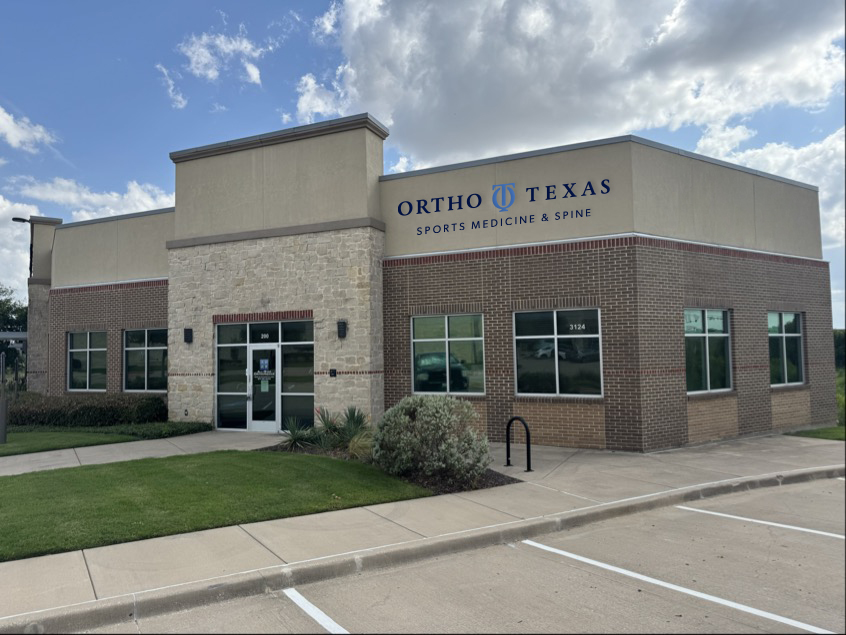
Fort Worth
Mon-Fri 8:30 am – 5:00 pm 8:30 am – 5:00 pm
Phone: (972) 556-2885
Fax: (972) 506-8733
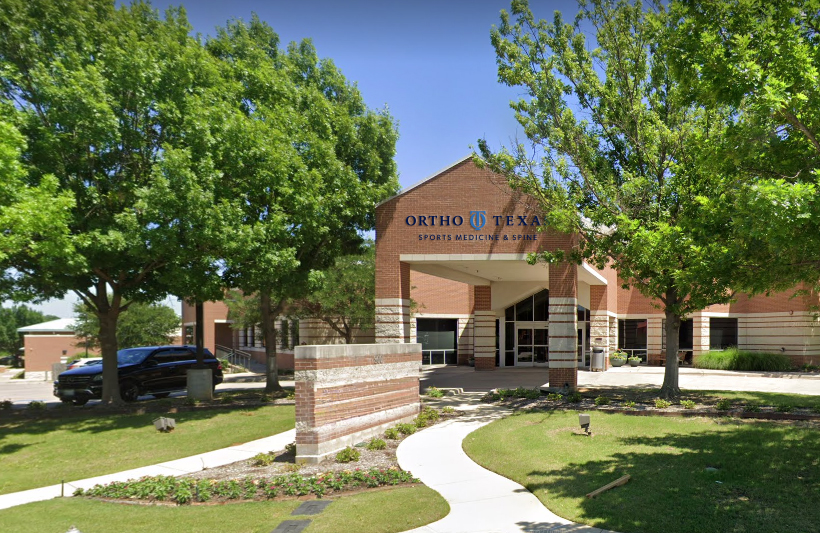
Arlington
Clinic: Mon-Fri 8:00 am - 5:00 pm
PT: Mon-Fri 7:00 am - 5:00 pm
Clinic Phone: (817) 375-5200
PT & OT Phone: (817) 375-5310
Clinic Fax: (817) 299-1789
PT Fax: (817) 299-1795
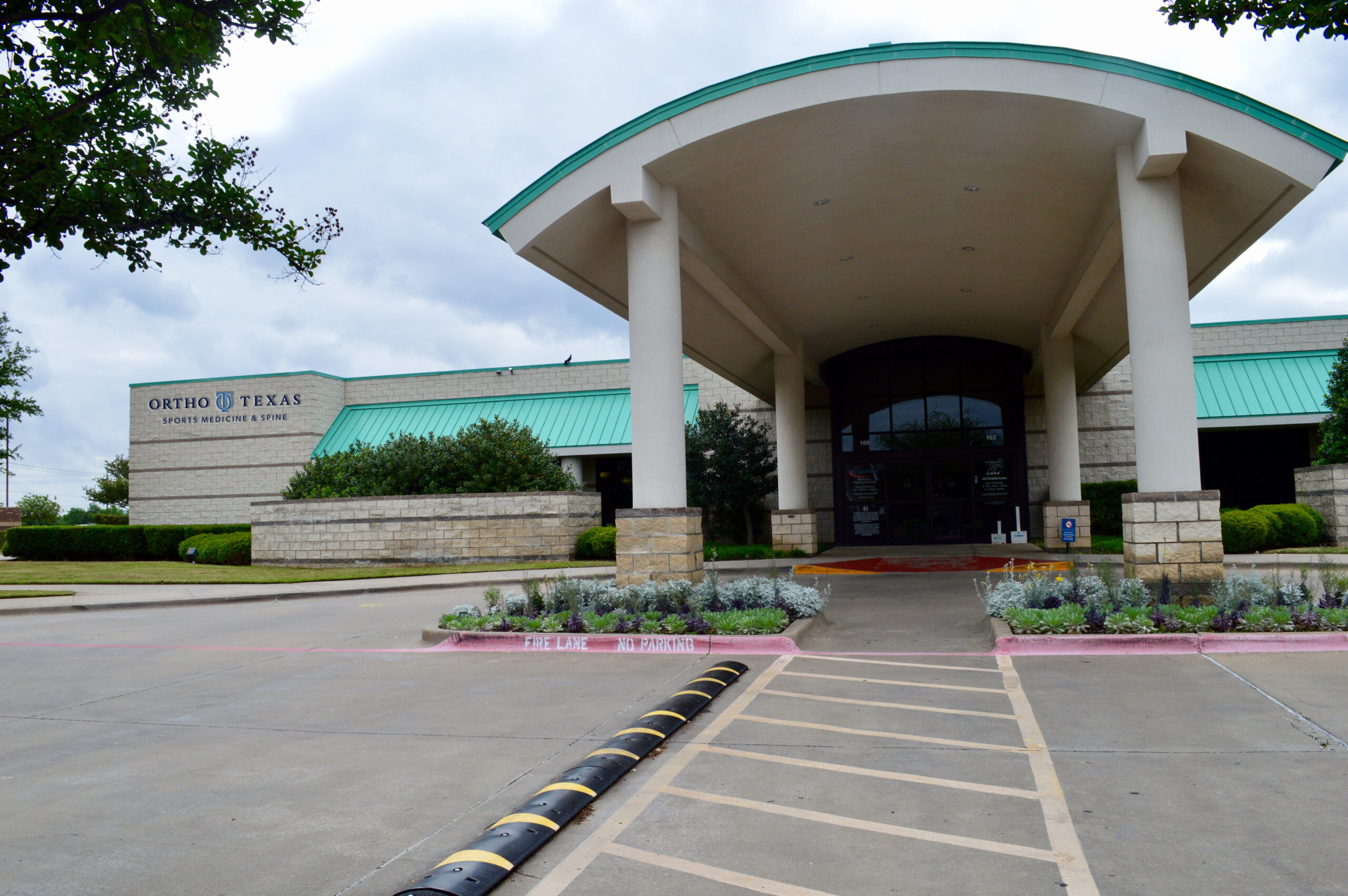
Carrollton
Clinic: Mon - Fri 8:00 am - 5:00 pm
PT: Mon - Thu 7:00 am - 7:00 pm,
PT: Fri 7:00 am - 4:00 pm
Clinic Phone: (972) 492-1334
PT Phone: (972) 395-2293
Clinic: (972) 492-7909
PT: (972) 395-2294
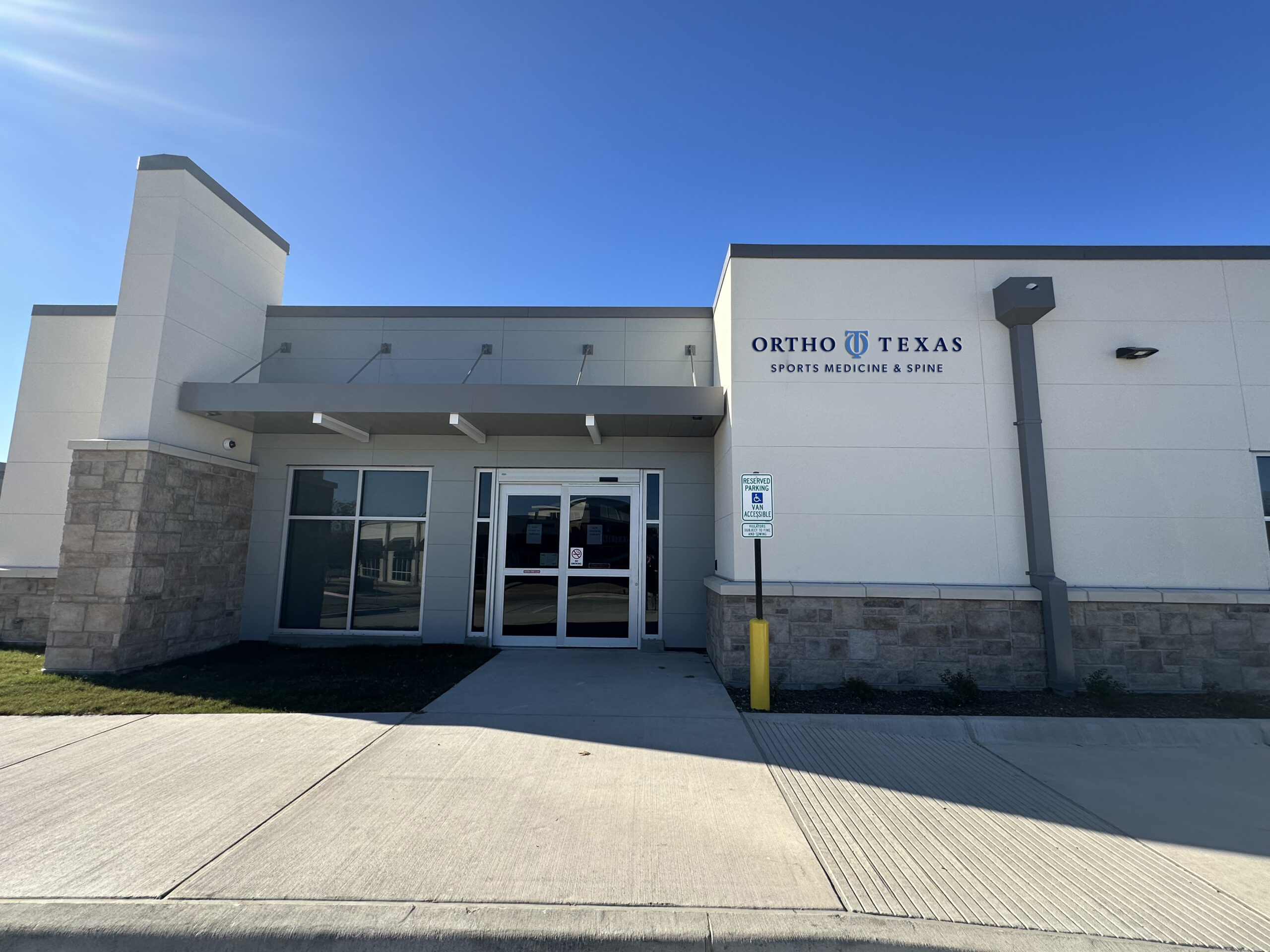
DeSoto
Clinic: Mon-Fri 8:00 am - 5:00 pm
PT: Mon-Fri 7:00 am - 5:00 pm
Clinic Phone: (817) 375-5200
PT Phone: (817) 375-5246
Clinic Fax: (817) 299-1789
PT Fax: (833) 471-6131
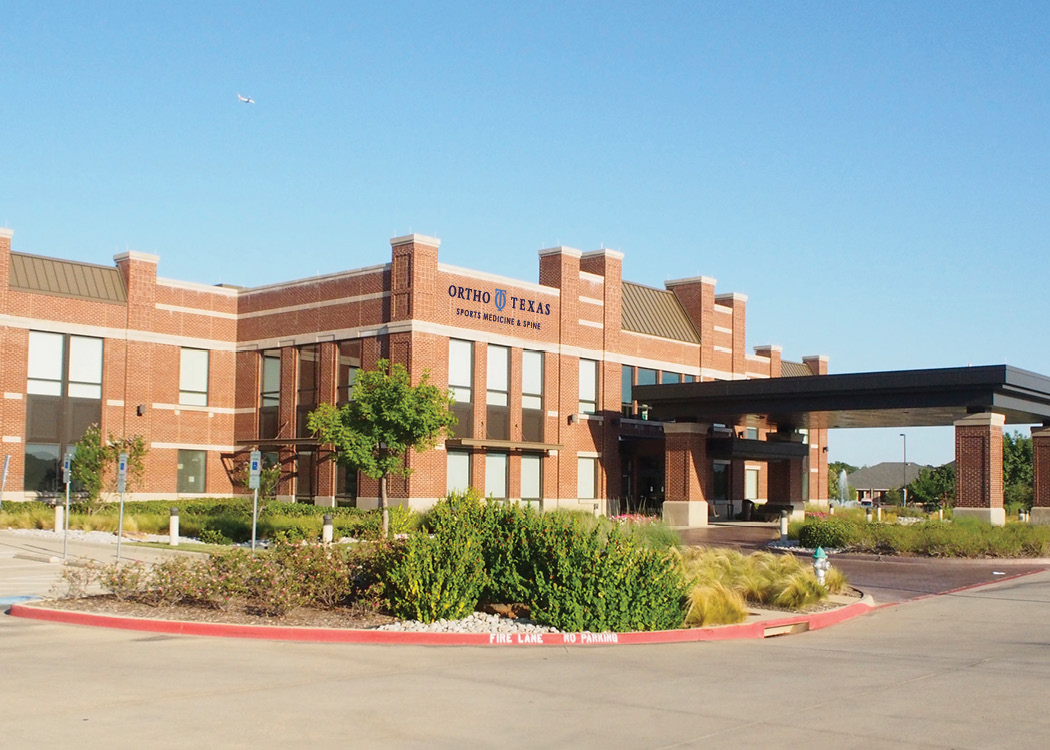
Flower Mound
Clinic: Mon - Fri 8:00 am - 5:00 pm
MRI: Mon - Fri 7:00 am - 5:00 pm
Surgery Center: Mon - Fri 6:00 am - 5:00 pm"
Phone QA: (972) 420-1776
Phone ASO: (972) 556-2885
Fax QA: (214) 222-6660
Fax ASO: (972) 506-8733

Grapevine
Clinic: Mon-Thur 8:00 am -5:00 pm
Clinic: Fri 8:00 am - 4:00 pm
PT: Mon-Thur 7:00 am - 7:00 pm
PT: Fri 7:00 am - 2:00 pm
Phone: (817) 481-2121
Fax: (817) 488-4493
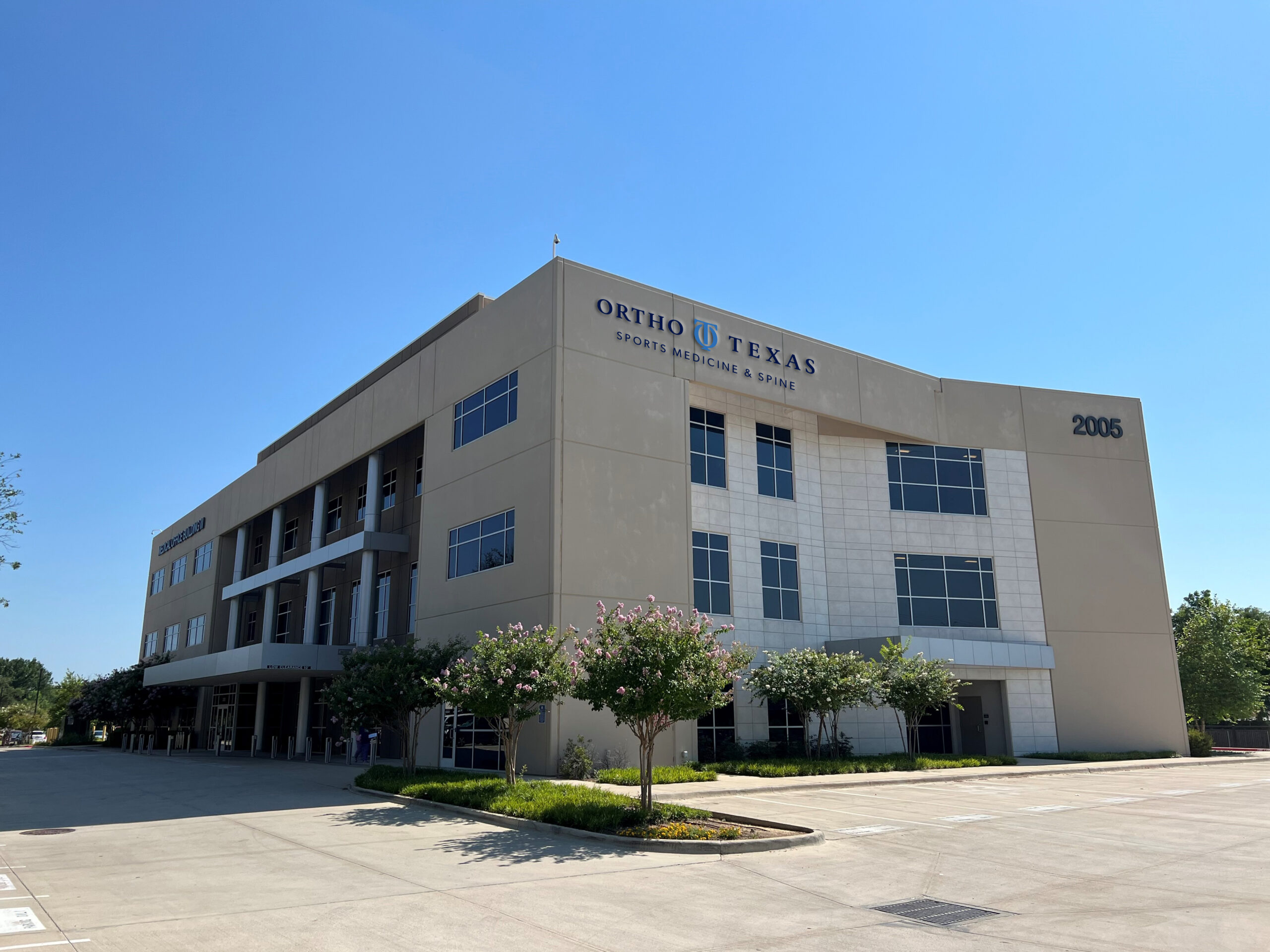
Irving
Clinic: Mon-Fri 8:00 am - 5:00 pm
Phone: (817) 375-5200
Fax: (817) 299-1789
Irving
Mon-Thurs 8:00 am - 6:00 pm
Fri 8:00 am - 12:00 pm
Phone (817) 375-5312
Fax (469) 351-7549
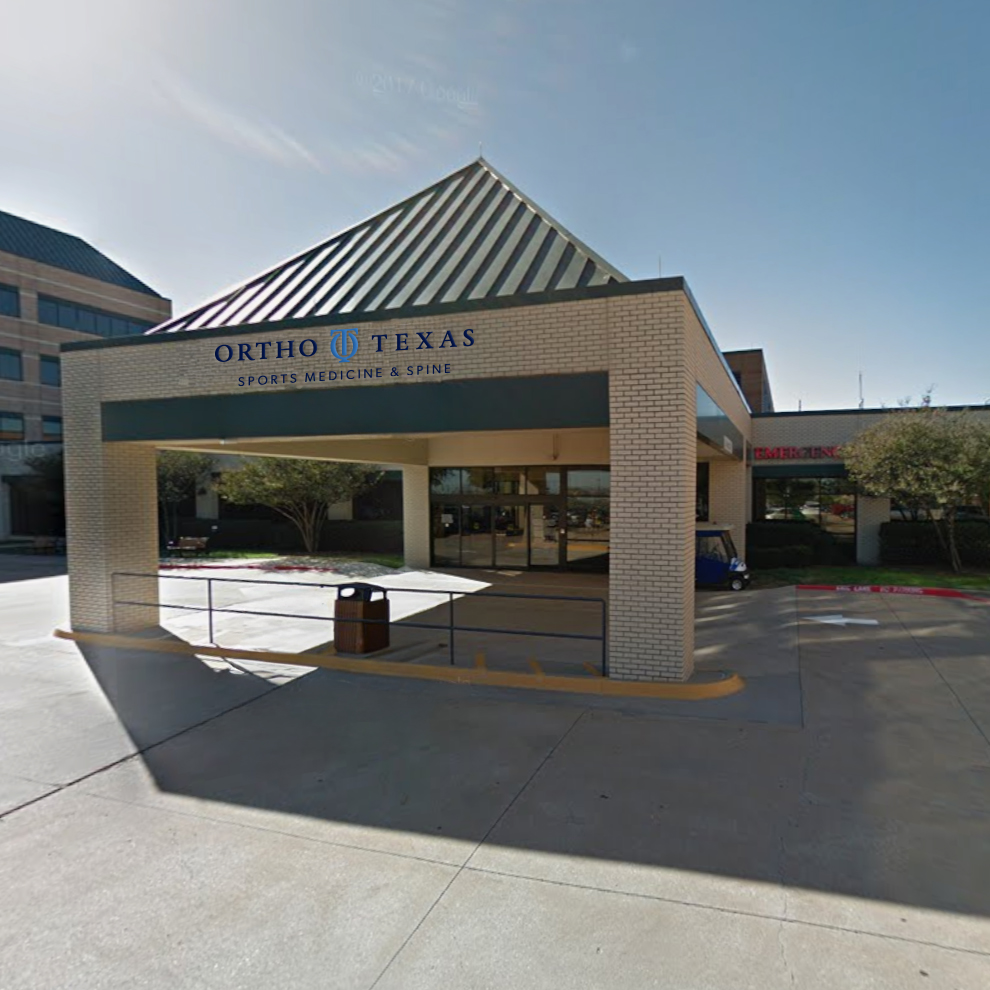
Irving
Mon-Fri 8:30 am – 5:00 pm
Phone: (972) 556-2885
Fax: (972) 506-8733
Irving
Mon & Weds 9:30 am - 6:30 pm
Tues & Thurs 7:00 am - 4:00 pm
Fri: 7:00 am - 1:00 pm
Phone: (972) 331-9022
Fax: (972) 330-4257
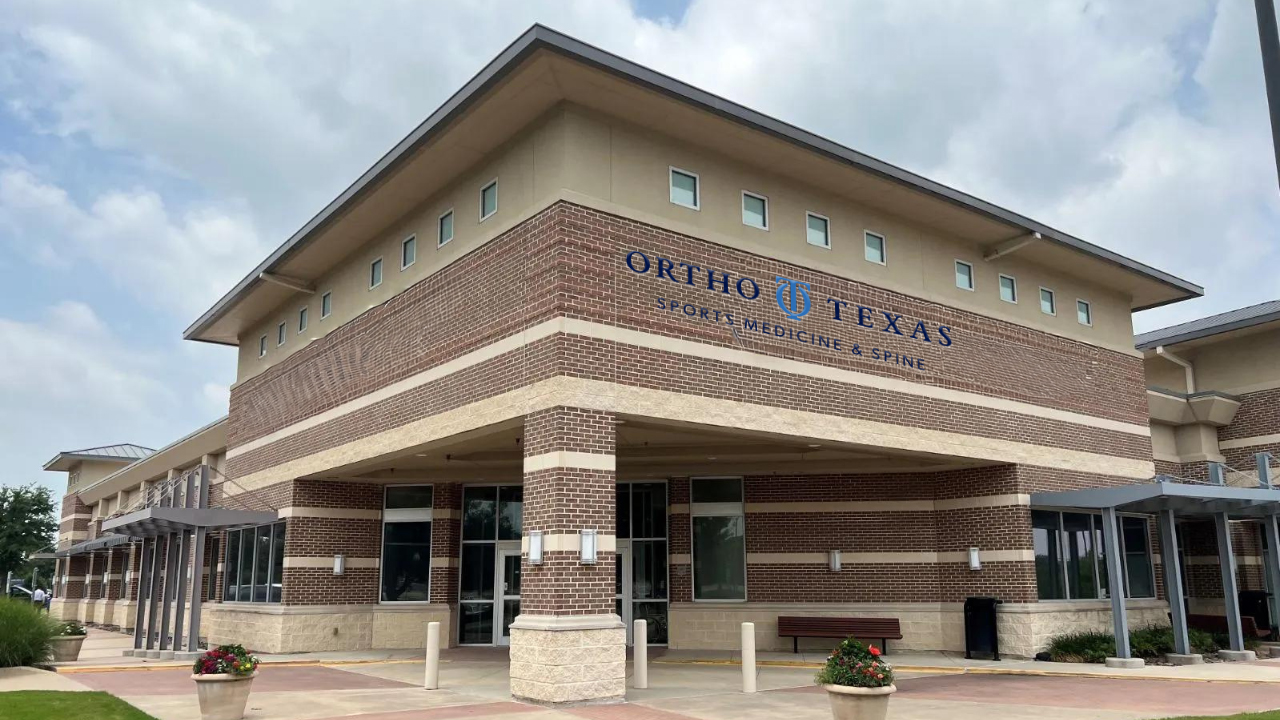
Mansfield
Clinic: Mon-Fri 8:00 am - 5:00 pm
OT: Mon, Wed, Thurs 8:00 am - 5:00 pm
Clinic Phone: (817) 375-5200
OT Phone: (817) 375-5320
Clinic Fax: (817) 299-1789
OT Fax: (833) 471-6133
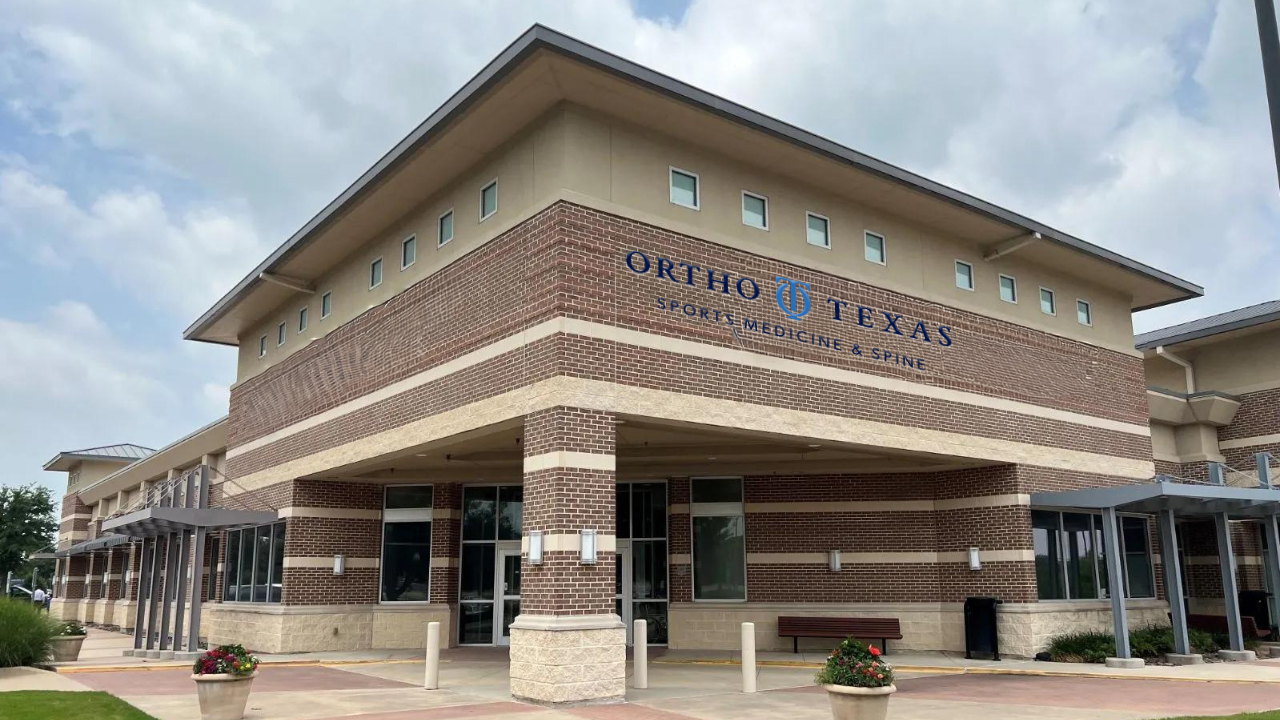
Mansfield
Mon-Thurs 7:00 am - 7:00 pm
Fri 7:00 am - 5:00 pm
Phone: (817) 375-5320
Fax: (833) 471-6133
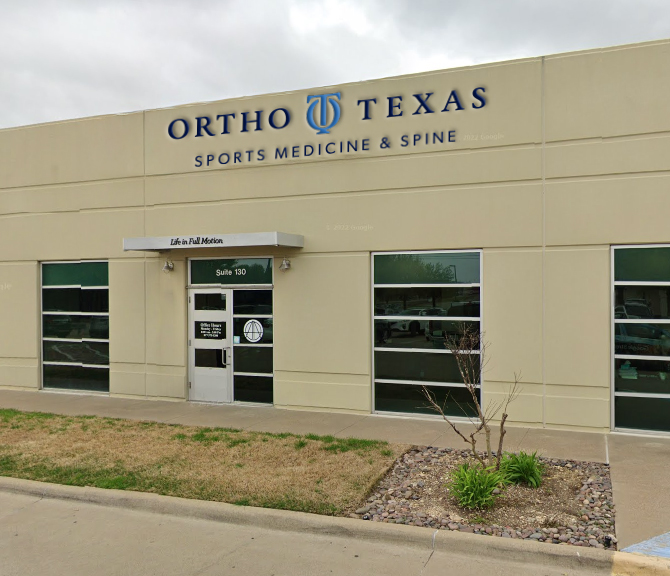
Midlothian
Clinic: Mon-Fri 8:00 am - 5:00 pm
Phone (817) 375-5200
Fax (817) 299-1789
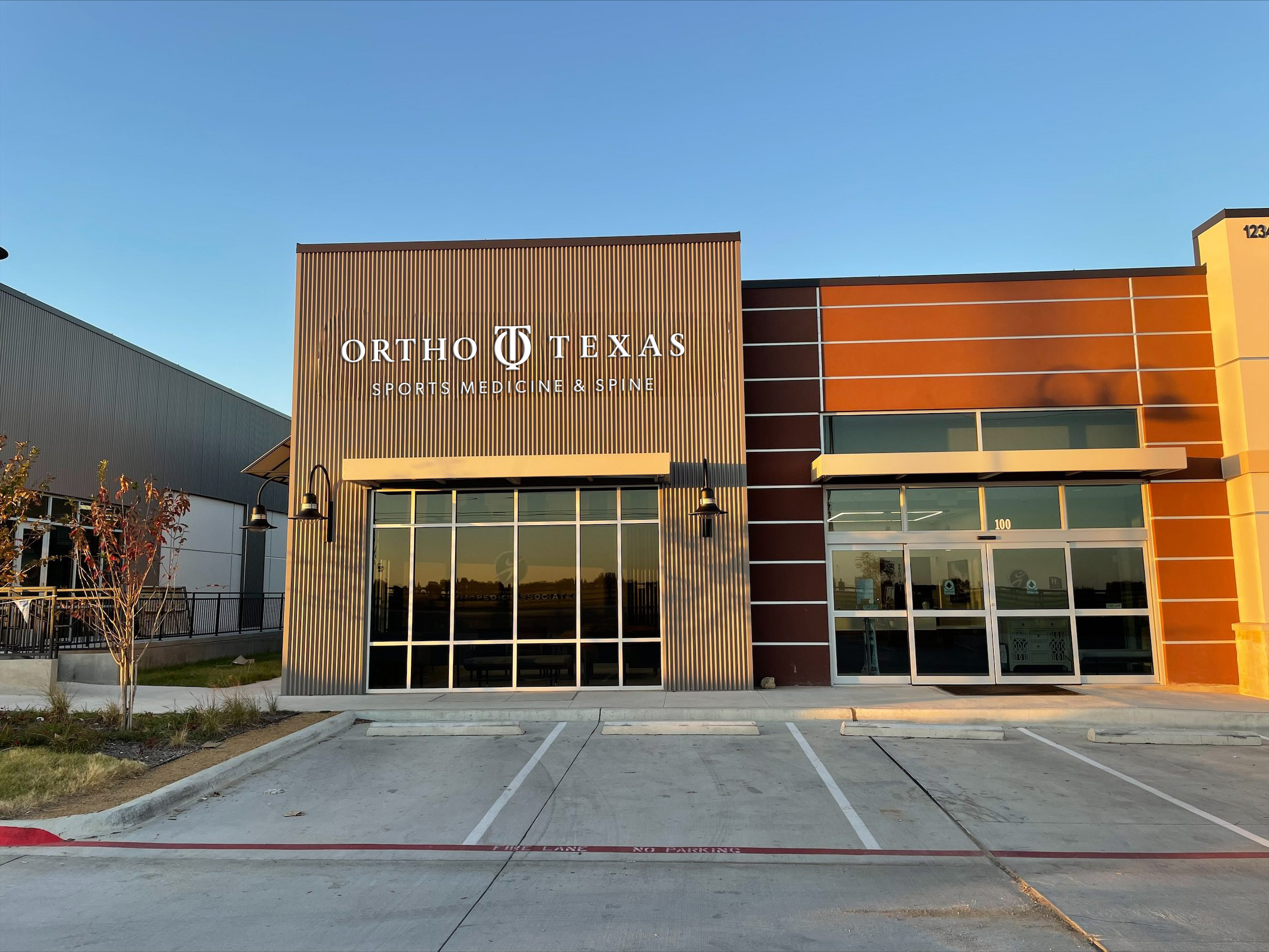
Northlake
Mon - Fri 8:00 am - 5:00 pm
Phone: (972) 420-1776
Fax: (214) 222-6660

Southlake
Clinic: Mon-Fri 8:30 am – 5:00 pm
PT: Mon & Weds 9:30 am - 6:30 pm,
PT: Tues & Thurs 7:00 am - 4:00 pm,
PT: Fri: 7:00 am - 1:00 pm
Clinic: (972) 556-2885
PT: (817) 764-0773
Fax Clinic: (972) 506-8733
Fax PT: (972) 330-4257

Waxahachie
Clinic Mon-Fri : 8:00 am - 5:00 pm
PT: Mon-Thurs 8:00 am - 5:00 pm,
PT: Fri Fri 8:00 am - 2:00 pm
Clinic Phone: (817) 375-5200
PT Phone: (817) 617-2710
Clinic Fax: (817) 299-1789
PT Fax: (833) 471-6139
Book Appointment
If you’re living with severe joint pain, loss of mobility, or symptoms that no longer respond to conservative treatments, now is the time to explore your options with the joint replacement specialists at OrthoTexas. Our team will evaluate your condition, review non-surgical and surgical pathways, and help you determine the best approach to restore comfort and function. Schedule an appointment today to take the next step toward lasting relief and improved quality of life.
Frequently Asked Questions
How do I know if I need joint replacement?
You may be a candidate for joint replacement if you experience persistent pain, stiffness, or loss of mobility that interferes with daily activities, especially when conservative treatments such as physical therapy, medications, injections, or lifestyle changes no longer provide relief. Severe arthritis, joint deformity, or bone-on-bone degeneration seen on imaging are also common reasons your orthopedic specialist may recommend joint replacement.
What joints can be replaced?
OrthoTexas performs joint replacement for the major weight-bearing and mobility joints, including the knee, hip, and shoulder. Depending on the condition, some patients may also be candidates for partial joint replacements or specialized procedures tailored to specific joint damage.
How long does a joint replacement last?
Most modern joint replacements are designed to last 15 to 20 years or longer, though outcomes vary based on age, activity level, implant type, and overall joint health. While no implant can guarantee a specific lifespan, many patients enjoy decades of improved comfort and function.
What is the difference between total and partial joint replacement?
Total joint replacement removes and replaces all damaged joint surfaces with implants. Partial joint replacement (most commonly in the knee) replaces only the damaged area while preserving healthy bone and ligaments. Partial procedures can offer a more natural joint feel and faster recovery when appropriate for the patient.
How long is recovery from joint replacement?
Recovery timelines vary by joint and individual progress. Most hip and knee replacement patients walk the same day or within 24 hours, begin outpatient therapy shortly after surgery, and resume many daily activities within 4 to 6 weeks. Full recovery may take 3 to 6 months. Shoulder replacement patients typically see functional improvement over several months as strength and range of motion gradually return.
Will I be able to walk right after joint replacement?
Many patients begin walking with assistance on the day of surgery or the following day, depending on the type of joint replacement and the recovery plan recommended by their surgeon and physical therapy team.
What type of anesthesia is used for joint replacement surgery?
Joint replacement procedures often use regional anesthesia (such as a spinal block) combined with light sedation, although general anesthesia may be used in some cases. Your care team will choose the safest, most comfortable option for your needs.
What risks are associated with joint replacement?
All surgeries carry risks, including infection, blood clots, stiffness, or implant wear over time. However, joint replacement performed by fellowship-trained orthopedic surgeons at OrthoTexas follows strict safety protocols designed to minimize complications and support successful outcomes.
Can joint replacement be done as an outpatient procedure?
Yes. Selected patients may qualify for outpatient hip, knee, or shoulder replacement based on their overall health, support at home, and surgical plan. Outpatient procedures allow patients to recover at home the same day with structured follow-up care.
What activities can I return to after joint replacement?
Most patients return to low-impact activities such as walking, swimming, cycling, and golf once they’ve recovered. High-impact activities may be limited to preserve the longevity of the implant, but your surgeon will guide you on safe activity levels based on your goals.